Are you wondering if your high-powered gaming PC can handle serious work tasks in 2026? This comprehensive guide explores the multifaceted benefits and potential drawbacks of using a gaming rig for professional endeavors. Discover how modern gaming hardware, equipped with cutting-edge processors and graphics cards, offers unparalleled performance for demanding applications. We delve into optimization strategies, software considerations, and essential setup tips to transform your battle station into a productivity powerhouse. Understand the cost-effectiveness, versatility, and sheer speed a gaming PC brings to your home office or creative studio. This information will help you decide if a single machine can truly excel at both play and professional tasks.
can u use a gaming pc for work FAQ 2026 - 50+ Most Asked Questions Answered (Tips, Trick, Guide, How to, Bugs, Builds, Endgame)
Welcome to the ultimate living FAQ for "can u use a gaming pc for work" in 2026! The lines between work and play rigs are blurrier than ever. With cutting-edge hardware dominating the market, many are wondering if their powerful gaming machines can truly pull double duty. This guide is your definitive resource, updated for the latest hardware releases, software optimizations, and remote work trends. Whether you're a beginner curious about compatibility or an advanced user seeking optimization tricks, we've got you covered. Dive in to unlock the full potential of your gaming PC, turning it into a versatile workstation without compromise. We address common questions, debunk myths, and provide actionable tips for seamless integration.
Beginner Questions: Setting Up Your Dual-Purpose Rig
Can I use my gaming PC for everyday office tasks?
Yes, absolutely. A gaming PC is exceptionally capable for everyday office tasks like word processing, spreadsheets, and web browsing. Its powerful CPU and ample RAM ensure smooth, lag-free performance for all your essential productivity applications. You will experience remarkable speed and responsiveness.
What are the main advantages of a gaming PC for work?
The primary advantages are raw processing power, superior graphics capabilities, and faster storage. This translates to quicker task completion, smoother multitasking, and better performance for demanding applications like video editing or data analysis compared to a standard office PC. You gain significant efficiency.
Will my gaming PC be too loud or too flashy for work calls?
Not necessarily. Most gaming PCs allow you to manage fan noise through software, and RGB lighting can often be turned off or subdued. You can also opt for more professional-looking peripherals for work, ensuring your setup remains appropriate for video conferences. Adjustments are often simple.
Is a gaming PC more expensive than a dedicated work PC?
Initially, a gaming PC can be more expensive than a basic office PC. However, if you already own one, it’s far more cost-effective than buying a separate work machine. Its superior performance often justifies the investment for professionals needing serious power. The long-term value is significant.
Performance & Hardware Myths: Debunked
Myth vs Reality: Gaming PCs wear out faster with work tasks.
Reality: Gaming PCs are built for durability and high-stress scenarios. Regular work tasks are generally less demanding than intensive gaming sessions, so using your PC for work is unlikely to significantly accelerate wear and tear. Proper maintenance ensures longevity for both uses.
Does a high-refresh-rate gaming monitor benefit work tasks?
Yes, absolutely. While designed for gaming, a high-refresh-rate monitor provides incredibly smooth visuals, which can reduce eye strain and improve overall comfort during long work hours. Text and images appear sharper, making your professional experience more pleasant. It’s a definite visual upgrade.
Do I need a powerful GPU for all work tasks, or just specific ones?
A powerful GPU is crucial for specific demanding work tasks like video editing, 3D rendering, graphic design, and AI/machine learning. For basic office work or web browsing, the integrated graphics on modern CPUs are sufficient, but a dedicated GPU enhances overall system responsiveness. It depends on your job role.
Software & Security Tips: Keeping It Professional
How can I separate my work and gaming environments on one PC?
Creating separate user profiles on Windows is the easiest way to keep files and settings distinct. For enhanced isolation and security, consider setting up a virtual machine (VM) for your work environment. This completely segregates your work applications and data from your gaming installations. It's a highly recommended practice.
What are the security implications of using a gaming PC for sensitive work?
The main risk lies in lax security practices common in gaming, like downloading unverified mods. Always use strong antivirus software, keep your OS updated, and be cautious about downloads. A virtual machine offers a robust sandbox, isolating sensitive work data from potential gaming-related threats. Vigilance is key.
Myth vs Reality: Installing work software will slow down my games.
Reality: As long as you have ample RAM (16GB+ recommended) and an SSD, installing work software will not noticeably slow down your games when they are not running concurrently. The system allocates resources as needed. Modern PCs handle multiple applications well without performance degradation.
Ergonomics for Long Hours: Comfort is Key
What ergonomic considerations should I make for my gaming workstation?
Invest in a high-quality, adjustable office chair for proper back support during long hours. Ensure your monitor is at eye level to prevent neck strain. An ergonomic keyboard and mouse can significantly improve comfort and reduce the risk of repetitive strain injuries. Comfort directly impacts productivity and health.
Can my gaming headset be used for professional calls and meetings?
Many gaming headsets feature excellent microphones and sound quality, making them perfectly suitable for professional calls. Ensure the mic provides clear voice pickup and that the headset is comfortable for extended wear. Test it before important meetings to confirm audio clarity. They are often very versatile.
Future-Proofing Your Rig: Staying Ahead in 2026
What upgrades should I prioritize to future-proof my hybrid setup?
Prioritize upgrading your CPU, GPU, and RAM. These components drive overall performance for both gaming and work. In 2026, consider the latest generation NVMe SSDs for storage speed. A powerful, high-wattage PSU also ensures compatibility with future, more demanding hardware. These are the most impactful investments.
Myth vs Reality: Gaming PCs are not built for long-term reliability like workstations.
Reality: High-quality gaming PCs from reputable brands are built with robust components designed for heavy, sustained use. They often exceed the durability of many 'office' machines. With proper cooling and maintenance, a gaming PC can be a highly reliable workhorse for many years. Quality components last.
Common Issues & Troubleshooting: Smooth Operations
How can I reduce noise from my gaming PC during work hours?
To reduce noise, ensure your PC has good airflow and clean fans. Adjust fan curves in your BIOS or through software to prioritize quiet operation during work. Upgrading to quieter CPU coolers or case fans can also make a significant difference. Optimizing these settings creates a peaceful environment.
My gaming PC sometimes stutters during work tasks, what can I do?
Stuttering often indicates resource contention. Check Task Manager for background processes consuming excessive CPU or RAM. Update your graphics drivers. Ensure your operating system and applications are on an SSD. Consider disabling unnecessary startup programs to free up resources. Proper optimization helps prevent this.
Myth vs Reality: You need a separate network connection for work and gaming.
Reality: A single, stable, high-speed internet connection is perfectly fine for both. Gamers often prioritize low latency and high bandwidth, which directly benefits work tasks like video conferencing and cloud-based applications. Wired Ethernet provides the best stability for both. One connection handles everything well.
Advanced Optimization: Pushing the Limits
Can I use GPU acceleration for my specific work software?
Many professional applications, including video editors, CAD software, and data analysis tools, leverage GPU acceleration. Check your software's settings to ensure GPU computing (like NVIDIA CUDA or OpenCL) is enabled. This can dramatically speed up rendering, simulations, and complex calculations. It's a powerful feature.
Myth vs Reality: Overclocking is only for gaming and harms work stability.
Reality: While often associated with gaming, a stable, modest overclock can benefit both work and play by providing more raw CPU performance. However, stability is paramount for work. Only attempt if you understand the risks and can ensure 24/7 reliability. For critical work, stock speeds are safer. Exercise caution.
Multi-Monitor Mastery: Expanding Your View
What's the best way to set up multiple monitors for work on my gaming PC?
Modern gaming GPUs easily support multiple monitors. Simply connect your displays to the available ports (DisplayPort or HDMI) on your graphics card. Windows will automatically detect them, allowing you to extend your desktop. This expanded screen real estate is invaluable for multitasking and productivity. It's a massive workflow enhancer.
Endgame Grind: Maximizing Your Investment
How can I maximize the resale value of my gaming PC if I upgrade in the future?
Maintain your PC well: keep it clean, manage cables, and retain original boxes and accessories. Regularly update components like CPU and GPU if possible, as they hold value. Selling as a complete, well-documented system often yields better returns than parting it out. Presenting it neatly helps significantly.
Bugs & Fixes: Troubleshooting Common Glitches
My webcam isn't working for work meetings; how can I fix it?
First, check privacy settings in Windows to ensure apps have permission to access your webcam. Update your webcam drivers. Test it in multiple applications to isolate if the issue is software-specific. A quick reboot often resolves minor glitches. Always ensure it's selected as the default in meeting software.
Builds & Classes: Tailoring Your Rig
Which gaming PC components are most important for a balanced work and play build?
For a balanced build, prioritize a powerful, high-core-count CPU (e.g., Ryzen 7/9 or Core i7/i9), a capable mid-to-high-tier GPU (e.g., RTX 4070/5070 or RX 7800XT/8800XT), 32GB of fast DDR5 RAM, and a spacious NVMe SSD. These components offer excellent performance for both demanding tasks. This combination provides true versatility.
Still have questions? Check out our related guides on 'Optimizing Your PC for AI Workloads' or 'Building a Quiet Gaming Rig for Professionals' for more in-depth insights!
“Can you use a gaming PC for work?” This is a question many people are asking as remote work becomes increasingly prevalent in 2026. The answer, perhaps surprisingly, is a resounding yes! Modern gaming PCs are far more than just machines for playing the latest FPS or MOBA titles. They are incredibly powerful, versatile computers capable of handling demanding professional tasks with ease. These rigs often feature top-tier components like robust CPUs, ample RAM, and dedicated GPUs, making them perfect for many work-related applications. Instead of buying a separate machine, maximizing your existing hardware offers smart economic and practical sense. Many professionals are now leveraging their gaming setup for diverse roles.
The Powerhouse Advantage: More Than Just Pixels
Gaming PCs are designed for intense computational workloads, providing a significant edge in many professional environments. Their core components are built for speed and efficiency, translating directly into productivity gains. You will notice substantial improvements in loading times and processing capabilities. This raw power benefits various professional applications, making your workflow incredibly smooth. You can genuinely feel the difference when multitasking across demanding programs.
Speed and Efficiency for Professional Tasks
At the heart of every gaming PC is a high-performance central processing unit, or CPU. These processors, like the Intel Core i9 or AMD Ryzen 9 series in 2026, boast numerous cores and threads. This architecture excels at multitasking, allowing you to run complex software simultaneously without slowdowns. Think about video editing, 3D rendering, or large data analysis; your gaming CPU will tear through these tasks. Complementing the CPU is abundant high-speed RAM, typically 32GB or more, which is crucial for handling large files and multiple applications. This combination ensures your system remains responsive and efficient, even under heavy load. The system architecture focuses on rapid data access and processing. Many professionals report significantly reduced project turnaround times.
Visual Fidelity and Multi-Monitor Mastery
Gaming PCs feature powerful dedicated graphics processing units, or GPUs, such as the NVIDIA GeForce RTX 50 series or AMD Radeon RX 8000 series in 2026. While essential for stunning game graphics, these GPUs also accelerate professional applications like CAD, graphic design, and video production. They handle complex visual computations, dramatically reducing rendering times and improving real-time preview capabilities. Furthermore, gaming setups inherently support multiple high-resolution monitors. This expanded screen real estate is invaluable for productivity, allowing you to display various documents, spreadsheets, or design layouts simultaneously. You can easily drag and drop information between screens. Enhanced visual fidelity contributes to better clarity and reduced eye strain during long work sessions. This makes a huge difference for detailed professional work.
Overcoming the Obvious Challenges: Adapting Your Rig
While a gaming PC offers immense power, some aspects might need adjustment for a professional environment. These machines can sometimes be noisy or feature flashy aesthetics. However, with a few thoughtful tweaks, you can easily integrate your gaming rig into any professional workspace. Addressing these points ensures your setup remains functional and professional. It is all about finding the right balance for your specific needs.
Noise Management for a Quiet Workspace
High-performance components generate heat, and powerful fans are needed to dissipate it, leading to increased noise. For a quiet work environment, consider upgrading to quieter CPU coolers, such as large air coolers or all-in-one liquid cooling solutions. Many modern PC cases also feature sound-dampening materials that help reduce fan noise. Proper cable management inside the case improves airflow, allowing fans to spin slower and quieter. You can also adjust fan curves in your BIOS or through software to prioritize silence during work hours. Investing in silent case fans further contributes to a peaceful work atmosphere. These small changes make a surprisingly big impact on your daily comfort.
Professional Appearance and Ergonomics
The flashy RGB lights and aggressive designs of some gaming peripherals might not suit a corporate video call. Simple solutions include turning off RGB lighting through software or opting for more subdued, professional-looking peripherals for work use. Many gamers keep separate sets of peripherals. Investing in a clean, minimalist desk setup helps too. Good cable management hides unsightly wires, creating a tidy and organized workspace. Proper ergonomics, including an adjustable chair, monitor arms, and an ergonomic keyboard/mouse, are paramount for long work sessions. These adjustments ensure comfort and prevent strain during extended use. A well-organized space enhances your focus and overall well-being.
Optimizing Your Setup for Dual Duty: Software and Peripherals
Maximizing a gaming PC for both work and play involves more than just hardware. Smart software choices and suitable peripherals can make a world of difference. You want a seamless transition between your professional tasks and your gaming sessions. These optimizations unlock the full potential of your versatile machine. It is about creating an environment that supports all your activities.
Software Synergy and Virtual Environments
Running productivity software on a gaming PC is generally straightforward, but optimization can enhance your experience. Consider creating separate user profiles for work and personal use to keep applications and files organized. For specific work requirements, especially if using niche software or needing a distinct operating system, virtual machines (VMs) are an excellent solution. You can run a dedicated work OS like Windows Server or a specific Linux distribution within your main gaming OS. Tools like Docker containers also provide isolated environments for development tasks. Cloud-based productivity suites integrate seamlessly, offering flexibility and accessibility. Many professionals are finding VMs indispensable for maintaining strict separation. This approach provides flexibility and maintains data integrity for both uses.
Ergonomics and Peripherals for Peak Performance
While a mechanical keyboard and gaming mouse are fantastic for competitive gaming, ensure they are comfortable for extended typing and precise work. Many gaming peripherals offer ergonomic designs suitable for both. Consider a second, simpler mouse for work if your gaming mouse is too aggressive. High-refresh-rate monitors, a staple for gaming, provide incredibly smooth visuals which are beneficial for reducing eye strain during work. A good quality webcam and microphone are essential for professional video calls, and gaming headsets often offer excellent audio solutions. Investing in a comfortable, supportive office chair is non-negotiable for long hours. These ergonomic considerations protect your health and boost your overall productivity significantly. A comfortable setup keeps you focused and minimizes fatigue.
Real-World Scenarios 2026: Who Benefits Most?
Many professionals are finding their gaming rigs perfectly suited for their careers. The raw power of these machines opens doors to efficiency across various industries. Specific roles particularly thrive with the capabilities a gaming PC provides. Understanding these applications helps you gauge your own potential gains. The versatility is truly remarkable in diverse professional fields.
Creative Professionals: Editing, Design, and 3D Modeling
Video editors, graphic designers, and 3D artists demand significant computing power. Gaming PCs excel here due to their powerful GPUs, which accelerate rendering and complex visual effects. Software like Adobe Premiere Pro, Blender, and AutoCAD run exceptionally smoothly. The fast processors handle multiple layers and high-resolution assets without stuttering. Content creators, often relying on real-time previews and rapid exports, find gaming rigs indispensable. The high refresh rate monitors also contribute to a more immersive and accurate visual workspace. This setup truly empowers artistic vision and technical execution. Professionals in these fields report substantial time savings.
Data Analysts & Engineers: Simulations and AI/ML Tasks
For data scientists, machine learning engineers, and software developers, a gaming PC offers an incredible advantage. The multi-core CPUs are excellent for compiling code and running complex simulations. Furthermore, the advanced GPUs are perfect for training machine learning models and running AI inference tasks, which are heavily GPU-accelerated in 2026. Developers can compile large projects faster and run virtual environments more efficiently. The ample RAM also supports working with massive datasets in memory. This robust hardware significantly reduces computation times for intricate processes. These professionals often consider gaming PCs their ultimate workstation solutions. They represent a significant investment in personal and professional growth.
The Future of Hybrid Rigs: 2026 Tech Trends
The line between gaming and professional hardware will continue to blur into 2026 and beyond. Manufacturers are increasingly designing components with dual-purpose functionality in mind. Expect more efficient cooling solutions and quieter operations to become standard across the board. The advancements in AI-driven task acceleration will further leverage existing gaming hardware. Future chips will boast even more specialized cores benefiting both types of workloads. Your gaming PC is becoming a future-proof investment. This convergence highlights the evolving nature of personal computing. These trends make your existing setup even more valuable.
AI Engineering Mentor Q&A: Can Your Gaming PC Really Do Both?
Hey there! I get why this question about using a gaming PC for work pops up so much. Many folks think gaming rigs are just for, well, games, but the reality in 2026 is far more interesting. Let's dig into some common questions about making your powerful machine a true dual-purpose beast. You've definitely got the right idea considering this versatility. It's an efficient way to maximize your tech investment. We're going to cover everything you need to know.
Beginner / Core Concepts
It's totally normal to start wondering about these basics. We all begin somewhere, and understanding the core principles makes everything else fall into place. Don't worry, these aren't silly questions; they're the foundation of smart tech usage. You're building a solid understanding right now. Think of these as your foundational pillars for a powerful setup.
1. Q: What makes a gaming PC good for work tasks in 2026?
A: Honestly, it's all about raw power and robust components, which is exactly what gaming PCs are built for. They typically feature high-core-count CPUs, like the latest AMD Ryzen 9s or Intel Core i9s, which absolutely chew through multitasking and heavy applications. You'll also find plenty of fast RAM, usually 32GB or more, which means you can have tons of browser tabs and demanding software open simultaneously without a hitch. And let's not forget the dedicated graphics cards; these aren't just for pretty game visuals. They're incredible for accelerating tasks like video editing, 3D rendering, and even some AI workloads that are becoming common in 2026. So, what makes it good? Its sheer computational muscle and designed-for-stress durability. It really handles demanding professional software with remarkable ease and speed. You've got this!
2. Q: Will my gaming PC be too loud or too 'flashy' for a professional environment?
A: This one used to trip me up too, especially with all the RGB. But honestly, it's usually an easy fix! While some gaming rigs can get loud under heavy load, modern cooling solutions are incredibly efficient and much quieter. You can often tweak fan curves in your BIOS or software to prioritize silence during work hours. As for flashiness, most RGB lighting can be completely turned off or set to a subtle white via software, making your setup look sleek and professional. If your peripherals are too 'gamery,' consider a second, simpler set for work. It's about personalizing your experience, not replacing hardware. You're totally in control of the aesthetics. Give those fan settings a look tomorrow, you might be surprised!
3. Q: Do I need to buy special software or peripherals to use my gaming PC for work?
A: Not necessarily 'special,' but maybe optimized. Your operating system (Windows, typically) already runs all standard office software. For specific professional applications, you'll install those just like on any other computer. As for peripherals, your high-refresh-rate monitor is fantastic for work, reducing eye strain. Your gaming keyboard and mouse might be great, but if they're not ergonomically comfortable for long typing sessions, investing in a good ergonomic office keyboard and mouse could be a game-changer for your wrists. You don't need to replace your gaming gear, just ensure comfort and efficiency for sustained work. Think of it as enhancing your existing toolkit. You've got this setup covered!
4. Q: Will using my gaming PC for work wear it out faster than just gaming?
A: That's a common concern, and I totally get it. In reality, using your PC for work is often less strenuous than intensive gaming. Gaming pushes your CPU and GPU to their absolute limits for sustained periods. Professional tasks, while demanding, typically have different usage patterns. Rendering a 3D model might spike usage, but typing documents or browsing spreadsheets won't. As long as you keep your system clean, ensure good airflow, and monitor temperatures, your gaming PC is designed to handle those varied workloads for years. It's built for durability under pressure. Think of it this way: it’s like using a sports car for both racing and grocery runs; it's designed to do both without falling apart prematurely. Keep those drivers updated, and you'll be golden. You've got this!
Intermediate / Practical & Production
Okay, so you're past the basics and thinking about integrating your gaming rig into a serious workflow. This is where things get really interesting, leveraging that power for tangible productivity gains. We'll talk about optimization and practical considerations that make a huge difference. You're moving towards a truly efficient setup now. These insights will refine your approach significantly.
1. Q: How can I optimize my gaming PC settings for better work performance?
A: Great question, because optimization is key to getting the best of both worlds! First, ensure your drivers for the GPU and chipset are always up-to-date; stability and performance improvements are constantly being released. Second, manage your startup programs; fewer background processes mean more RAM and CPU cycles for your work apps. Consider setting up different power plans: a 'High Performance' one for demanding work and gaming, and perhaps a 'Balanced' or 'Power Saver' one for lighter tasks to reduce fan noise and power consumption. If you have an SSD, ensure your frequently used work applications are installed there for faster loading. This thoughtful management frees up resources, making your system snappy. You're really taking control of your hardware here. Try creating a custom power profile tomorrow!
2. Q: Should I create separate user profiles or even a virtual machine for work?
A: This is a fantastic intermediate step for maintaining separation and security, and yes, you absolutely should consider it! Creating a separate user profile for work keeps your documents, browser history, and application settings distinct from your gaming persona. It's clean and simple. For more advanced needs, especially if your job requires specific software environments or enhanced security, a virtual machine (VM) is brilliant. You can install a fresh copy of Windows or Linux inside your main OS, creating a completely isolated workspace. This means no game installations cluttering your work desktop, and any potential security risks in one environment are contained. It's like having two computers in one box. This approach provides a significant layer of compartmentalization. You're thinking like a pro now!
3. Q: How important are high-speed storage (SSD/NVMe) and ample RAM for a work-gaming hybrid?
A: I can't stress this enough: they're absolutely critical! In 2026, if you're still on an HDD for your main drive, you're leaving so much performance on the table for both work and play. An NVMe SSD provides lightning-fast boot times, rapid application loading, and incredibly quick file transfers. This significantly speeds up everything from opening a large Excel sheet to rendering a video project. As for RAM, 16GB is truly the bare minimum in 2026, but for a hybrid work/gaming rig, 32GB is the sweet spot. It allows you to juggle multiple memory-intensive applications without your system stuttering or needing to swap to slower storage. More RAM and faster storage directly translate to a smoother, more responsive experience. This investment genuinely pays dividends. You'll notice the difference immediately!
4. Q: What about internet connectivity? Is my gaming setup good enough for work video calls?
A: Your gaming setup is probably already optimized for excellent internet connectivity, which is fantastic for work video calls! Gamers prioritize low ping and stable connections, often opting for wired Ethernet over Wi-Fi when possible. This directly translates to clearer, uninterrupted video conferencing. While your gaming headset probably has a decent mic, consider investing in a dedicated USB microphone for even clearer voice quality if you do a lot of presentations. A good webcam is also key for professional presence. The underlying network stability you've cultivated for gaming will serve your work needs perfectly. You're already ahead of the curve here. Don't forget to test your mic before that big meeting!
5. Q: Can my gaming PC truly handle intense professional software like CAD, video editing, or complex simulations?
A: Absolutely, it can often handle them better than a dedicated workstation of comparable price! Modern gaming GPUs, particularly the higher-end NVIDIA RTX and AMD Radeon cards, are beasts for accelerating professional applications. They boast thousands of CUDA or Stream processors which significantly speed up rendering, complex computations, and real-time previews in CAD software, video editors like Adobe Premiere or DaVinci Resolve, and even scientific simulations. The powerful CPU and ample RAM further ensure that the entire system doesn't bottleneck. In 2026, gaming hardware is incredibly versatile and powerful, often exceeding the requirements for many professional tasks. You've essentially got a workstation in disguise. Give it a try, you'll be impressed!
6. Q: What are the potential security risks of using a gaming PC for sensitive work data?
A: This is a crucial intermediate concern, and it's something we definitely need to address. The main risk isn't inherent to the gaming PC itself, but rather to how you manage it. Gaming often involves downloading various files, mods, and running less-vetted software, which can increase exposure to malware. For sensitive work, consider implementing strong antivirus/anti-malware solutions, using that separate user profile, or even better, a virtual machine. A VM provides a sandbox for your work environment, isolating it from any gaming-related risks. Always keep your OS and software updated, use strong unique passwords, and avoid opening suspicious attachments, just like on any work computer. You're building a fortress for your data. Stay vigilant, and you'll be fine!
Advanced / Research & Frontier 2026
Alright, you're deep in the weeds now, thinking about pushing the boundaries of what your hybrid rig can do, especially with 2026's cutting-edge tech. This is where we talk about serious performance, future-proofing, and really optimizing for complex, frontier-level tasks. You're aiming for peak efficiency and longevity. These are the nuances that truly set a professional apart. You're ready to master this domain.
1. Q: How can I leverage GPU passthrough for a dedicated work environment within my gaming PC?
A: This is a truly advanced technique for absolute isolation and performance, and it's brilliant! GPU passthrough allows you to dedicate a physical graphics card entirely to a virtual machine (VM). Imagine running Windows for work in a VM with its own dedicated GPU, while your main Linux gaming OS uses another. This setup delivers near-native performance within the VM, as if it were a separate physical computer. It's complex to set up, requiring specific motherboard/CPU support (IOMMU groups) and hypervisor knowledge (like Proxmox or unRAID). But the payoff is immense: complete separation, full GPU power for work applications, and zero performance compromise. It's the ultimate hybrid solution for power users. This is where you truly become a hardware architect. You've got this challenging, but rewarding, project ahead!
2. Q: What are the considerations for dual-booting or using a hypervisor for distinct work/gaming OSes?
A: Dual-booting is the simpler, classic approach: you install two separate operating systems (e.g., Windows for work, Linux for gaming) on different drives or partitions and choose which to boot into. It offers excellent performance for each OS but requires a reboot to switch. A hypervisor (like VMware ESXi, Proxmox, or even Hyper-V on Windows) is more advanced. It allows multiple OSes to run simultaneously as VMs. While it introduces a slight performance overhead for the host OS, it offers instant switching between work and play environments. You can even dedicate hardware resources like CPU cores or RAM to each VM. The choice depends on your need for seamless switching versus raw, uncompromised performance for each OS. Both offer unique benefits for advanced users. You're optimizing at a deep level here.
3. Q: How can I ensure professional color accuracy on a gaming monitor typically optimized for high refresh rates?
A: That's a super insightful question for any creative professional. While gaming monitors prioritize refresh rates and response times, many high-end models in 2026 also boast excellent color accuracy out of the box, often covering 95% or more of the DCI-P3 color gamut. The key to professional color accuracy is calibration. You'll need a hardware colorimeter (like those from X-Rite or Datacolor) and calibration software. This process measures your monitor's colors and creates an ICC profile, which your operating system then uses to display accurate colors. You can also often switch your monitor's display mode to an sRGB preset for web content or a DCI-P3 mode for video work. Don't rely on factory presets alone; hardware calibration is the gold standard for precision. This ensures your work looks as intended. You're truly honing your visual workspace now.
4. Q: Are there any specific hardware upgrades in 2026 that would benefit a hybrid work/gaming setup most?
A: Absolutely! For 2026, if you're looking to push your hybrid rig further, focus on a few key areas. First, consider an upgrade to the latest generation of NVMe PCIe Gen 5 SSDs for unparalleled storage speeds, which is phenomenal for large project files and game loading. Second, maximizing your RAM to 64GB (especially fast DDR5 modules) will be incredibly beneficial for heavy multitasking, running multiple VMs, or processing massive datasets. Finally, if you're doing GPU-intensive work, a generational leap in your graphics card (e.g., an RTX 5080/5090 or equivalent AMD) will dramatically improve rendering times and AI acceleration. These upgrades directly impact both work efficiency and gaming performance, making your single machine an undisputed powerhouse. You're investing in true frontier performance. Keep an eye on those benchmarks!
5. Q: What are the best practices for future-proofing my hybrid gaming PC for work and play beyond 2026?
A: Future-proofing is all about making smart, forward-looking choices. First, always invest in the highest-tier CPU and GPU you can reasonably afford; these are often the hardest to upgrade later. Opt for a motherboard with the latest chipset that supports future CPU generations if possible, and ensure it has plenty of PCIe Gen 5 slots for SSDs and future graphics cards. Max out your RAM capacity from the start, or leave room for easy expansion. Choose a power supply unit (PSU) with plenty of wattage headroom (e.g., 1000W+) to support future, more power-hungry components. And finally, a spacious, well-ventilated case will accommodate larger coolers and future hardware. Thinking ahead about these core components means your system will remain relevant and powerful for years. You're essentially building a timeless machine. You've got this long-term vision!
Quick 2026 Human-Friendly Cheat-Sheet for This Topic
Think of these as your quick, actionable tips for making your gaming PC a work legend!
- Manage Your Power: Use different power plans for work (balanced/quiet) and play (high performance). It saves energy and noise.
- Calm the RGB: Turn off those flashy lights during work hours. Most gaming software lets you do it easily for a professional look.
- Driver Updates are Gold: Always keep your GPU, chipset, and OS drivers current. They bring performance boosts and stability.
- Storage Speed Matters: Put all your work apps and important files on an NVMe SSD. It's a game-changer for loading times.
- RAM It Up: Aim for at least 32GB RAM in 2026 for smooth multitasking between heavy work apps and games.
- Clean Workspace: Good cable management and a tidy desk don't just look good; they help you focus and reduce stress.
- Separate Spaces: Create a dedicated work user profile or even a Virtual Machine. It keeps your professional life distinct and secure.
High performance for demanding work tasks. Versatility across gaming and professional applications. Cost-effective if you already own a gaming PC. Potential for noise and aesthetic adjustments. Optimization for dual-purpose use is crucial. Future-proof capabilities for 2026 software.
35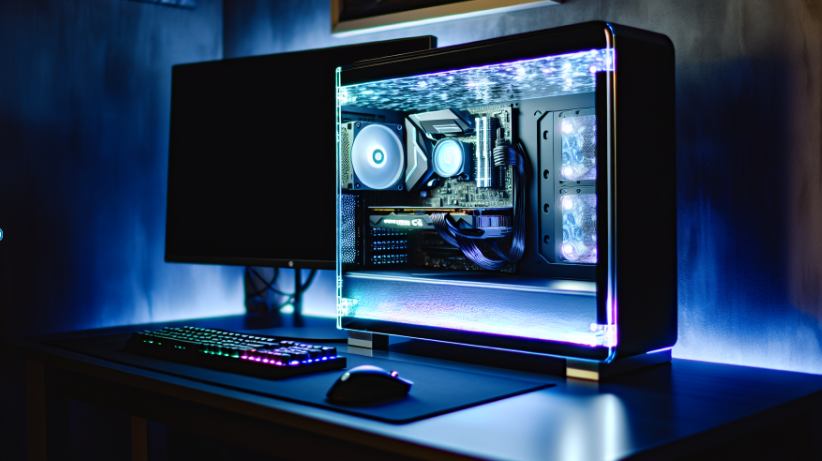
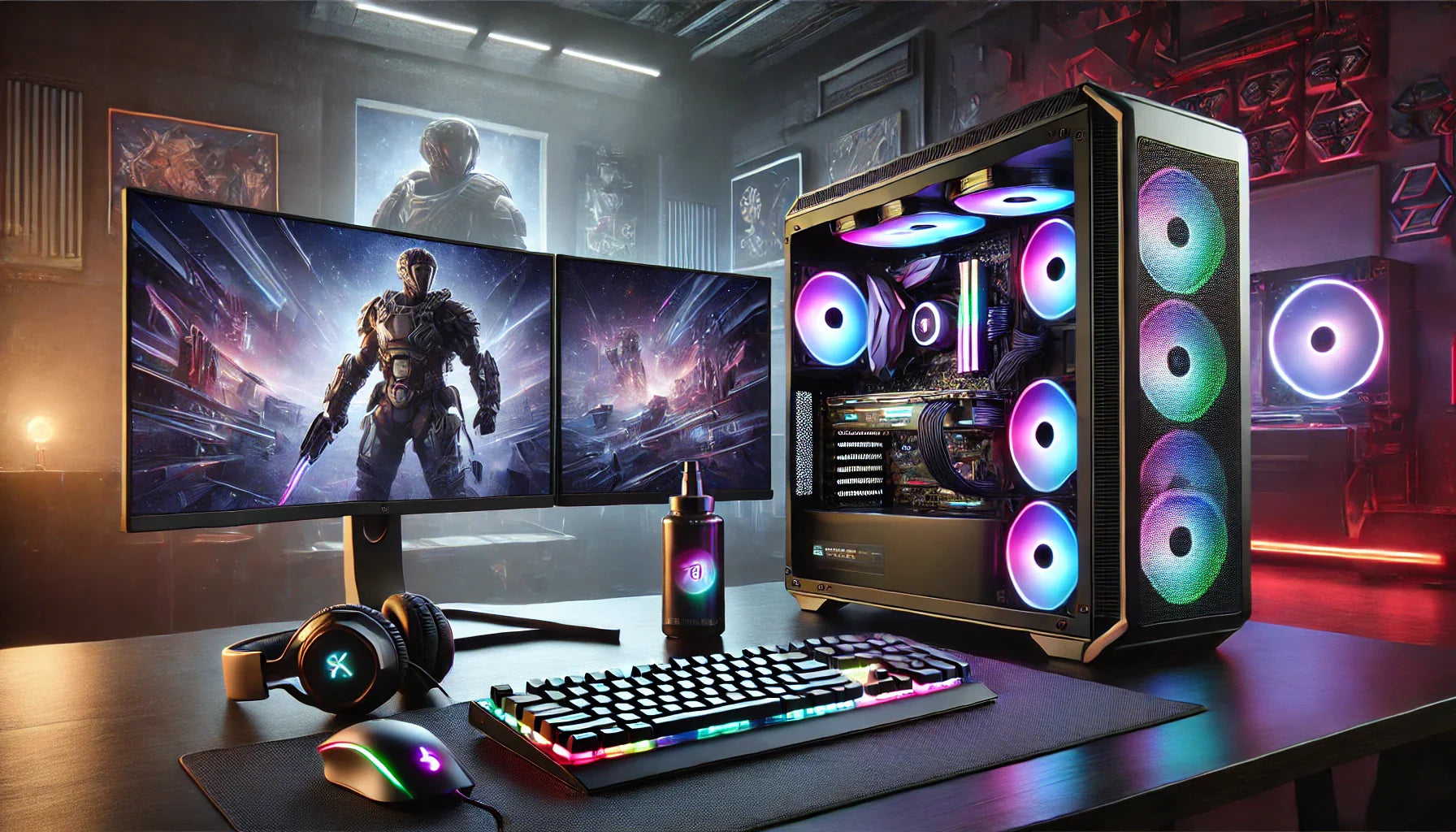


Can Gaming PC Be Used For Work Unleashing Beyond Play Image 41 . How To Build A Future Proof Gaming PC A Step By Step Guide 2025 Future Gaming Pc Build 2025.webp. Office Setup With Gaming PC Highend Gaming Desktop Modern Workspace Office Setup With Gaming Pc Highend Gaming Desktop Modern Workspace Design Gaming Station Tech 1126694 80187 . Can Gaming PC Be Used For Work Unleashing Beyond Play Gaming PC Used For Work . Top 10 Best Desktop Computers 2026 For Home Office And Work Apple IMac M4 2026 All In One Desktop Computer For Creative In Best Desktop


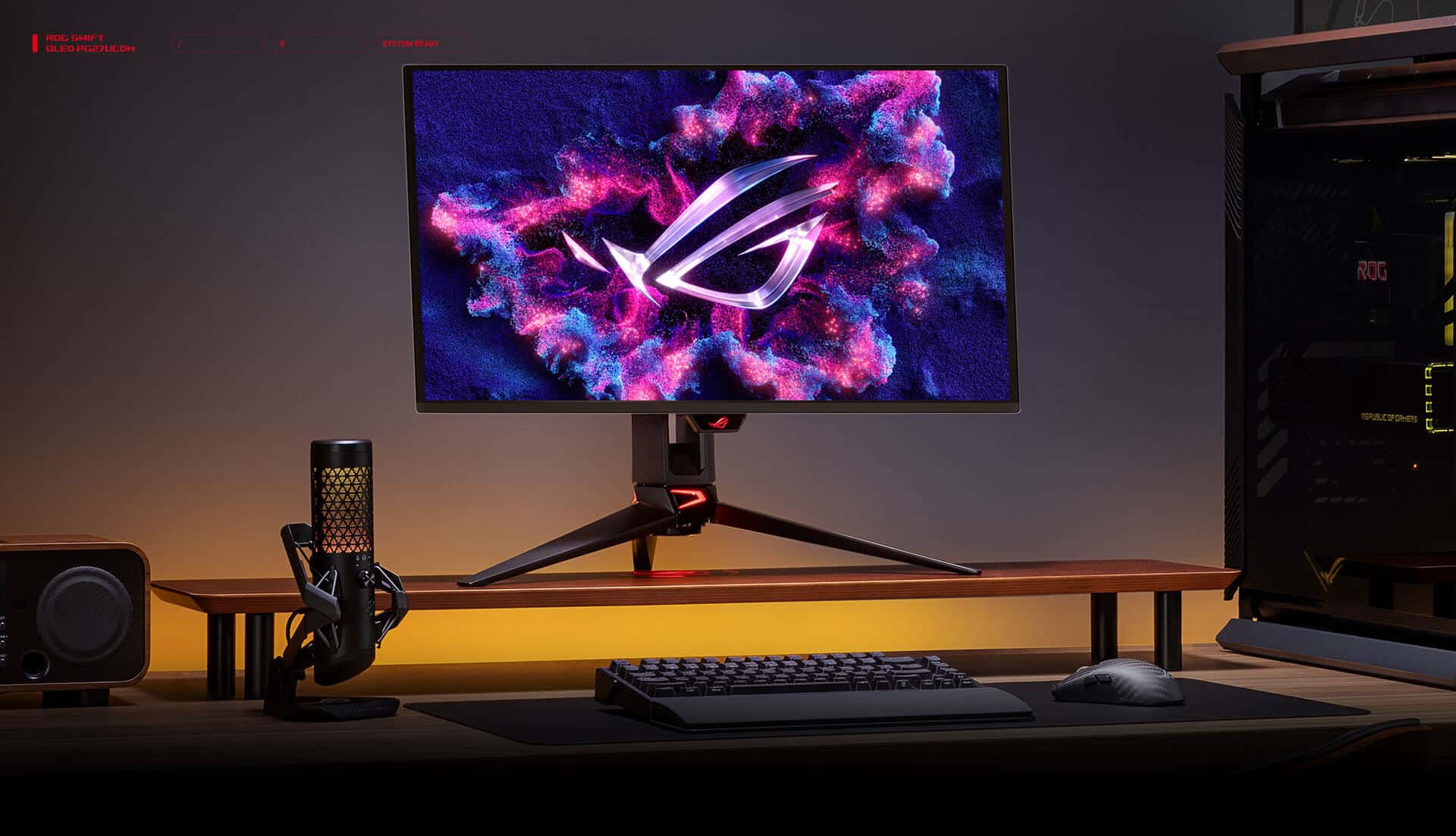
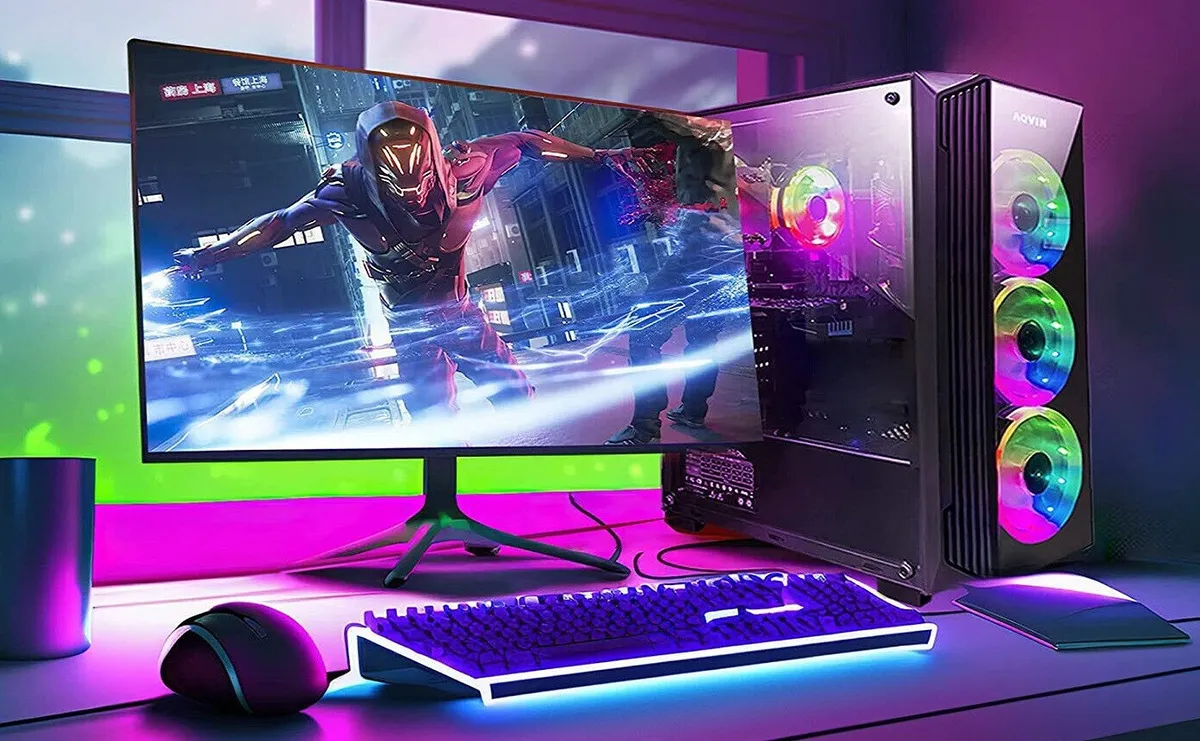

Top 10 Best Desktop Computers 2026 For Home Office And Work Lenovo Legion Tower 5i 2026 Budget Desktop Computer For Home Office Among Best Desktop. The Best Gaming PC Of 2026 Top Prebuilt Desktops Gaming Pc . How To Upgrade Your Gaming PC 2026 Edition GadgetMates Bg Intro1 . How Expensive Is Building A Gaming PC Insider Gaming How Expensive Gaming Pc Build.webp. Top 10 Industries Benefiting From Gaming Pcs For Work Game Changers Top 10 Industries By Gaming PCs For Work.webp




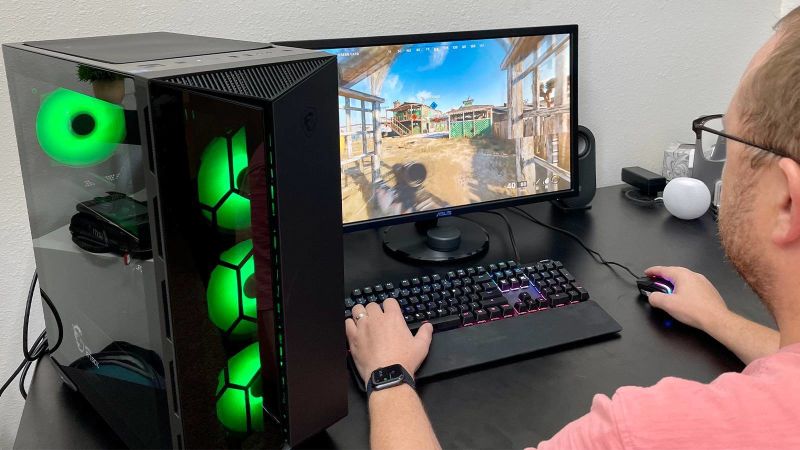
Office Setup With Gaming PC Highend Gaming Desktop Modern Workspace Office Setup With Gaming Pc Highend Gaming Desktop Modern Workspace Design Gaming Station Tech 1126694 80185 . Can Gaming PC Be Used For Work Unleashing Beyond Play Image 40 . Office Setup With Gaming PC Highend Gaming Desktop Modern Workspace Office Setup With Gaming Pc Highend Gaming Desktop Modern Workspace Design Gaming Station Tech 1126694 80182 . Can Gaming PC Be Used For Work Unleashing Beyond Play Image 38 . The Best Gaming PCs In 2024 Tried And Tested CNN Underscored Gaming Pcs


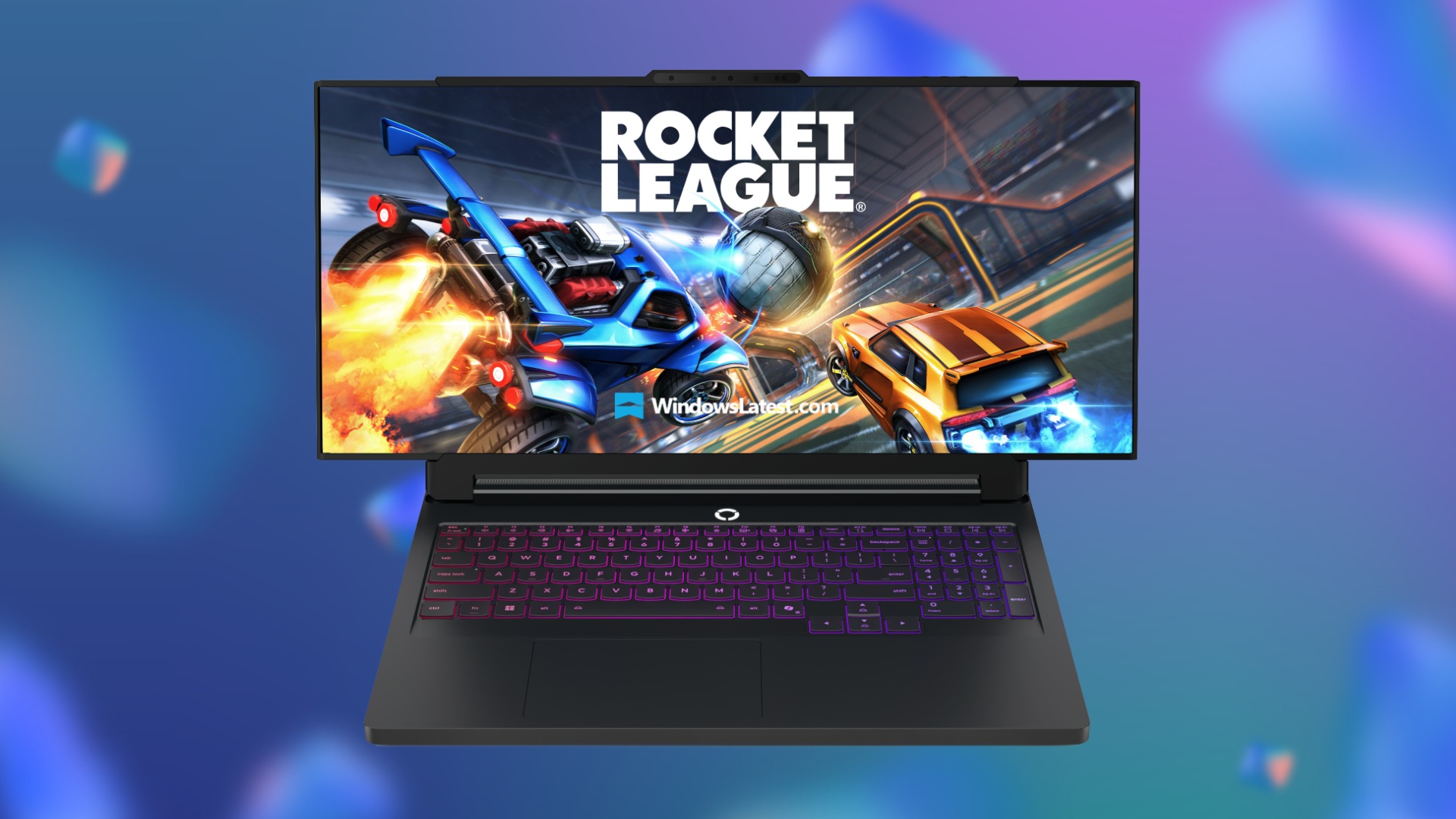
Top 10 Best Desktop Computers 2026 For Home Office And Work HP OmniStudio X Pro 2026 All In One Desktop Computer With Large Display Ranked Among Best. Workstation And Gaming Computer To Play Video Games Online Workstation Gaming Computer Play Video Games Online Design Multimedia Work 1029476 94040 . Premium AI Image Pc Gaming Setup Gamer S Home Office Pc Gaming Setup Gamer S Home Office With Powerful Modern Desktop Pc Gaming Gear 817921 8373 . How To Find The Perfect PC For Gaming And Work PC For Gaming . Nvidia S DLSS 4 Override Still Doesn T Work In Every Game So Here S A Lenovo Legion Go Pro Rollable
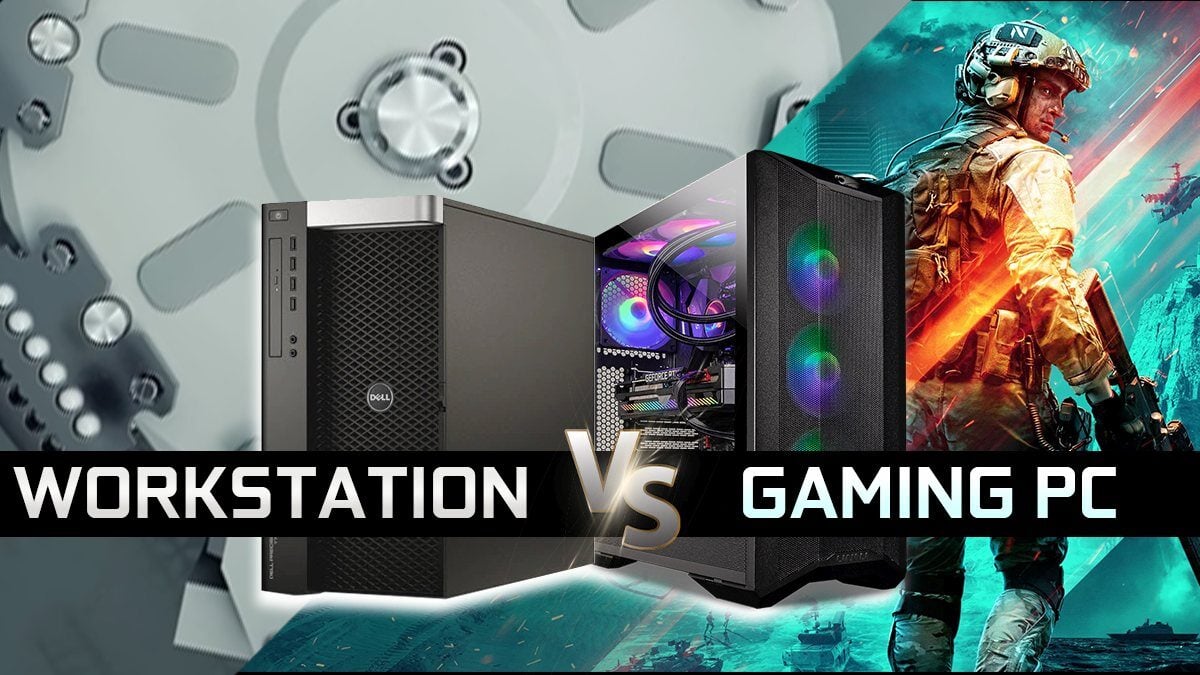


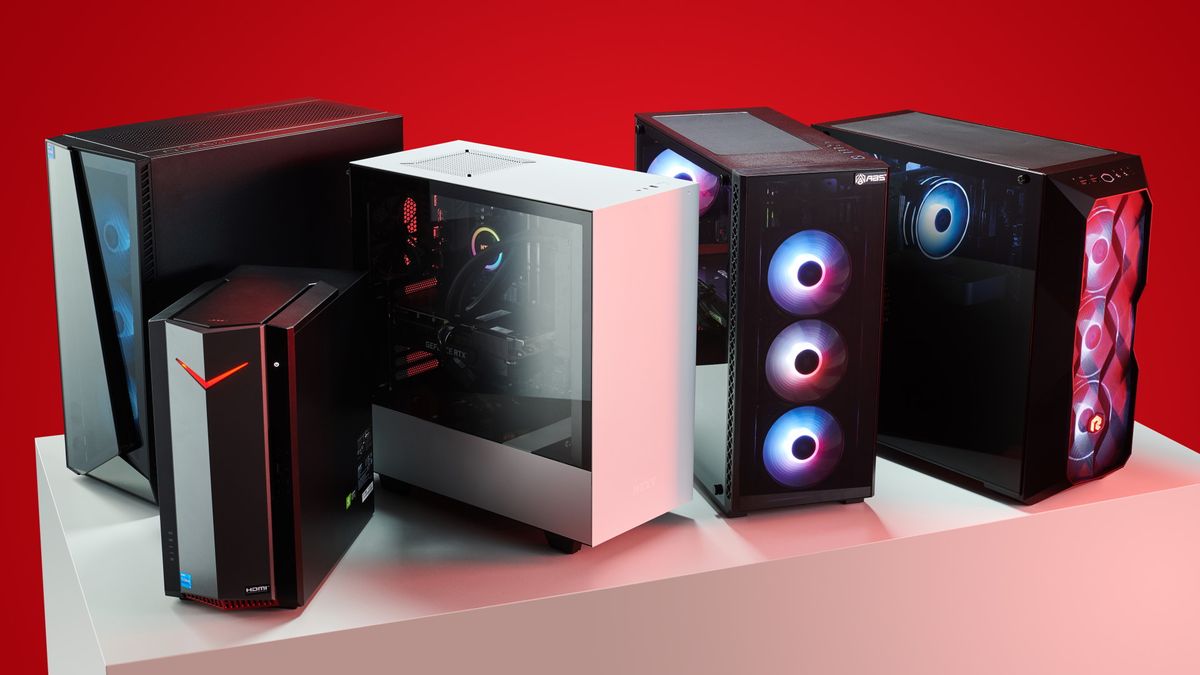

Workstation Vs Gaming PC What S The Difference And Which One Do You Need Workstation Vs Gaming PC Header Twitter 1200x675 . Should You Use A Gaming Laptop For Work YouTube . Top 10 Most Anticipated Games Of 2026 What To Watch Out For GAMES IN 2026 . Looks Like The First RTX 5060 Laptop Benchmark Results Are In And Show 1200 80 . Gaming Desktop Buying Guide 2024 TecDale Reviews Gaming PC Blog Banner 1.2

The Best Gaming PCs In 2024 Tom S Guide 320 80 . Is S Desktop Good For Gaming Infoupdate Org How To Build A Gaming PC In 2022 . Workstation Vs Gaming PC What S The Difference Gaming Pc Vs Workstation Pc1 . Parts Of A Computer And Their Functions All Components 45 OFF . Best Laptops 2026 Top Picks For Every Budget Use Case Xthe Best Laptops 2026 Top Picks For Every Budget Use Case 750x350


Office Setup With Gaming PC Highend Gaming Desktop Modern Workspace Office Setup With Gaming Pc Highend Gaming Desktop Modern Workspace Design Gaming Station Tech 1126694 80201 . The Best Gaming PCs In 2024 Tom S Guide 320 80 . Building A New Gaming PC In 2024 FullCleared Building A Gaming Pc In 2024 Fullcleared 35 . Office Setup With Gaming PC Highend Gaming Desktop Modern Workspace Office Setup With Gaming Pc Highend Gaming Desktop Modern Workspace Design Gaming Station Tech 1126694 80175 . Guide Mat Riel Gaming 2026 PC Console Setup Pc Gaming Rgb Bureau Gamer Eclairage Neon