Navigating the digital landscape in 2026 demands seamless connectivity, and a PC with built-in WiFi stands as a cornerstone of modern computing convenience. This comprehensive guide explores everything you need to know about integrated wireless solutions for your desktop, from initial setup to optimizing performance for intense gaming sessions and crucial work tasks. We delve into the latest WiFi 7 standards, ensuring you're equipped with cutting-edge information to enhance your online experience. Discover how these sophisticated systems minimize cable clutter and offer unparalleled flexibility in your home or office environment. Understanding the nuances of your built-in WiFi can significantly reduce latency, prevent frustrating FPS drop issues, and ensure a smooth, uninterrupted connection, vital for competitive gaming across genres like FPS, MOBA, and Battle Royale. Learn about essential settings optimization, driver updates, and advanced techniques to conquer any lag or stuttering fix challenges. This resource is designed to empower every user, from casual browsers to serious gamers, to fully leverage their PC's integrated wireless capabilities for a superior digital lifestyle.
pc with built in wifi FAQ 2026 - 50+ Most Asked Questions Answered (Tips, Trick, Guide, How to, Bugs, Builds, Endgame)
Welcome, fellow tech enthusiasts and gamers, to the ultimate living FAQ for everything related to PCs with built-in WiFi in 2026! The landscape of wireless connectivity is evolving at warp speed, and having integrated WiFi in your desktop is no longer a luxury but a necessity for many. This comprehensive guide is constantly updated to reflect the latest advancements, patches, and best practices, ensuring you have the most current information. Whether you're a beginner setting up your first rig, an experienced gamer seeking settings optimization for competitive edge, or just curious about the cutting-edge of WiFi 7, we’ve got you covered. Dive into over 50 frequently asked questions, unraveling the mysteries of integrated wireless, from improving ping and FPS drops to tackling connectivity bugs and future-proofing your build. Get ready to elevate your wireless experience!
Beginner Questions
Is built-in WiFi good for gaming?
Yes, built-in WiFi is generally excellent for gaming in 2026, especially with modern WiFi 6E and WiFi 7 standards. These integrated solutions offer high speeds and significantly reduced latency, making them suitable for most online games, including competitive titles like FPS and MOBA. Optimal performance relies on having a robust, modern router and ensuring your PC's WiFi settings are properly configured. Don't underestimate the power of these advanced wireless technologies for a smooth gaming experience.
How do I enable WiFi on my PC?
To enable WiFi, go to Windows Settings, then "Network & Internet," and select "Wi-Fi." Ensure the toggle switch is "On." Your PC should automatically detect available networks. If not, check Device Manager for necessary drivers or confirm your motherboard actually supports built-in WiFi. Sometimes, a quick driver installation is all it takes to get connected.
What is the difference between built-in WiFi and a USB adapter?
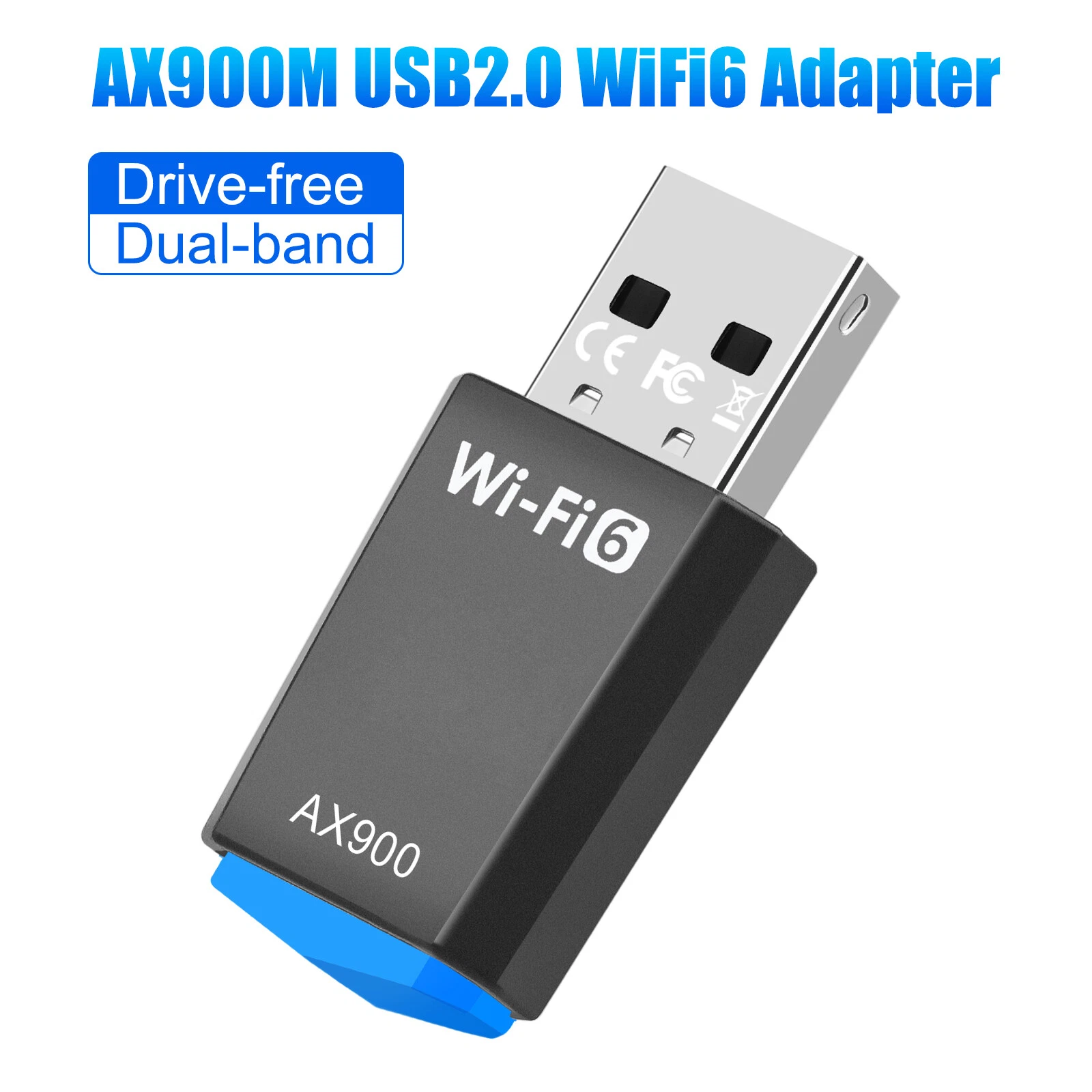
Built-in WiFi integrates the wireless module directly into your motherboard, offering a cleaner setup and often better antenna placement for optimal signal. USB adapters are external, plug-and-play devices, convenient for older PCs, but can sometimes suffer from signal interference or lower performance due to smaller antennas and shared USB bandwidth. Integrated solutions are generally more reliable for sustained performance.
Can I add WiFi to a desktop PC without built-in WiFi?
Absolutely! You can easily add WiFi to a desktop PC lacking built-in capabilities. The most common methods are installing a PCIe WiFi card into an available slot on your motherboard or using an external USB WiFi adapter. PCIe cards generally offer superior performance and stability, making them a top choice for serious gamers and professionals.
Performance Optimization & Troubleshooting
How can I reduce lag and improve ping on my built-in WiFi?
To reduce lag and improve ping, ensure your WiFi drivers are updated, move your PC closer to your router, utilize the 5 GHz or 6 GHz band, and enable Quality of Service (QoS) on your router to prioritize gaming traffic. Minimizing background network usage, like downloads or streaming, also helps immensely. A modern router and proper settings optimization are critical.
Why am I experiencing FPS drop or stuttering fix issues with my wireless connection?
FPS drops and stuttering with WiFi can stem from an unstable connection, high ping, or network congestion. Update your WiFi drivers, verify signal strength, and check for interfering devices such as microwaves or cordless phones. Resource-heavy background applications can also compete for bandwidth, directly impacting game performance. Troubleshooting these elements systematically can often lead to a significant stuttering fix.
Does built-in WiFi affect PC performance beyond network speed?
Generally, built-in WiFi does not significantly affect core PC performance (CPU, GPU, RAM) unless the system is very old, the drivers are faulty, or the WiFi module is malfunctioning. Modern integrated solutions are designed to operate efficiently without impacting other system components, though a very busy or weak connection might indirectly cause slight slowdowns in online activities or game loading times due to network strain.
Connectivity & Standards
What is WiFi 6E and do I need it for my PC with built-in WiFi?
WiFi 6E is an extension of WiFi 6 that adds access to the 6 GHz frequency band. This band is less congested and offers significantly higher speeds and lower latency, ideal for gaming and streaming. While not strictly necessary for all users, having WiFi 6E (or the newer WiFi 7) built-in is highly recommended for optimal 2026 performance and future-proofing your PC build. It’s a great guide for modern high-performance setups.
Are motherboards with built-in WiFi more expensive?
Typically, motherboards with built-in WiFi are slightly more expensive than their non-WiFi counterparts due to the added hardware, chipset integration, and licensing costs. However, the unparalleled convenience and often superior performance of integrated solutions usually justify this modest price difference, especially when factoring in the cost of a separate high-quality PCIe WiFi card. It's often a better value in the long run.
Gaming Specifics (FPS, MOBA, RPG, Battle Royale)
Myth vs Reality: Is wired always better than built-in WiFi for competitive FPS games?
Myth: Wired is always unequivocally superior for competitive FPS gaming. Reality: While wired offers the absolute lowest theoretical latency, modern WiFi 6E/7 built-in solutions are so advanced they provide extremely low and consistent ping, making the perceived difference negligible for many competitive players. For most, the convenience and flexibility of wireless now outweighs the minimal performance gap in practical scenarios.
How does built-in WiFi perform in high-stakes MOBA matches?
Built-in WiFi with WiFi 6E or WiFi 7 can perform exceptionally well in MOBA games. These titles demand consistent, low-latency connections rather than just raw bandwidth. By prioritizing your PC's traffic via Quality of Service (QoS) and ensuring a clean 5 GHz or 6 GHz connection, you can achieve a stable experience crucial for those split-second decisions and accurate skill shots. Stay updated on network settings optimization for peak performance.
What are the best practices for Battle Royale gaming on a PC with built-in WiFi?
For Battle Royale games, ensure your router is in an optimal, central location, prioritize your PC's network traffic with QoS, and close all unnecessary background applications. Utilize the less congested 5 GHz or 6 GHz band for faster, more stable connections. Always keep your WiFi drivers updated to prevent performance bottlenecks. These crucial tips will help maintain a stable connection, significantly reducing the chance of lag-related eliminations in the heat of battle.
Myth vs Reality: WiFi is unreliable for long RPG sessions and MMO raids.
Myth: WiFi connections frequently drop or become unstable during long gaming sessions, especially for RPGs and MMOs. Reality: This was largely true with older WiFi standards. However, contemporary built-in WiFi modules are remarkably stable and robust, offering consistent connectivity for extended RPG explorations or demanding MMO raids, as long as your network environment is optimized. With proper setup, frequent disconnects are now a rare occurrence, allowing for immersive, uninterrupted gameplay.
Builds & Hardware Considerations
Which WiFi standard should I prioritize for a new PC build in 2026?
For a new PC build in 2026, prioritize motherboards with built-in WiFi 7. This cutting-edge standard offers the highest speeds, lowest latency, and most robust connection stability, making it incredibly future-proof for years to come. WiFi 6E is also an excellent choice if WiFi 7 is beyond your current budget or not yet widely available in your region, as it provides access to the crucial 6 GHz band for cleaner airwaves.
Myth vs Reality: Integrated WiFi overheats motherboards.
Myth: Built-in WiFi modules cause significant motherboard overheating due to their operation. Reality: Modern WiFi chips are incredibly energy-efficient and generate minimal heat during operation. Motherboards are meticulously designed with adequate cooling for all components, including integrated WiFi modules. Overheating issues are almost always due to overall poor case airflow, inadequate CPU/GPU cooling, or other high-power components, not the WiFi module itself. The WiFi component is a very minor heat source.
Advanced Features & Future Proofing
What are the benefits of MU-MIMO and OFDMA for built-in WiFi performance?
MU-MIMO (Multi-User, Multiple-Input, Multiple-Output) allows your router to communicate with multiple devices simultaneously, significantly improving network efficiency. OFDMA (Orthogonal Frequency-Division Multiple Access) further enhances this by dividing channels into smaller sub-channels, letting even more devices transmit concurrently. For built-in WiFi, these technologies mean your PC gets its data faster and more reliably in a crowded network environment, drastically reducing latency. This is a crucial trick for busy smart homes and shared networks, ensuring your device gets bandwidth when it needs it most.
Myth vs Reality: You can't achieve gigabit speeds wirelessly.
Myth: Wireless connections cannot truly reach sustained gigabit speeds. Reality: With WiFi 6E and especially WiFi 7, achieving gigabit-level speeds (1000 Mbps or higher) wirelessly is entirely possible under ideal conditions. You'll need a compatible WiFi 6E/7 router, a PC with built-in WiFi supporting these standards, and a clean 6 GHz band. Performance can even surpass some older wired connections, making gigabit wireless a real, practical solution for high-speed internet.
Bugs & Fixes
What should I do if my built-in WiFi isn't detecting any networks?
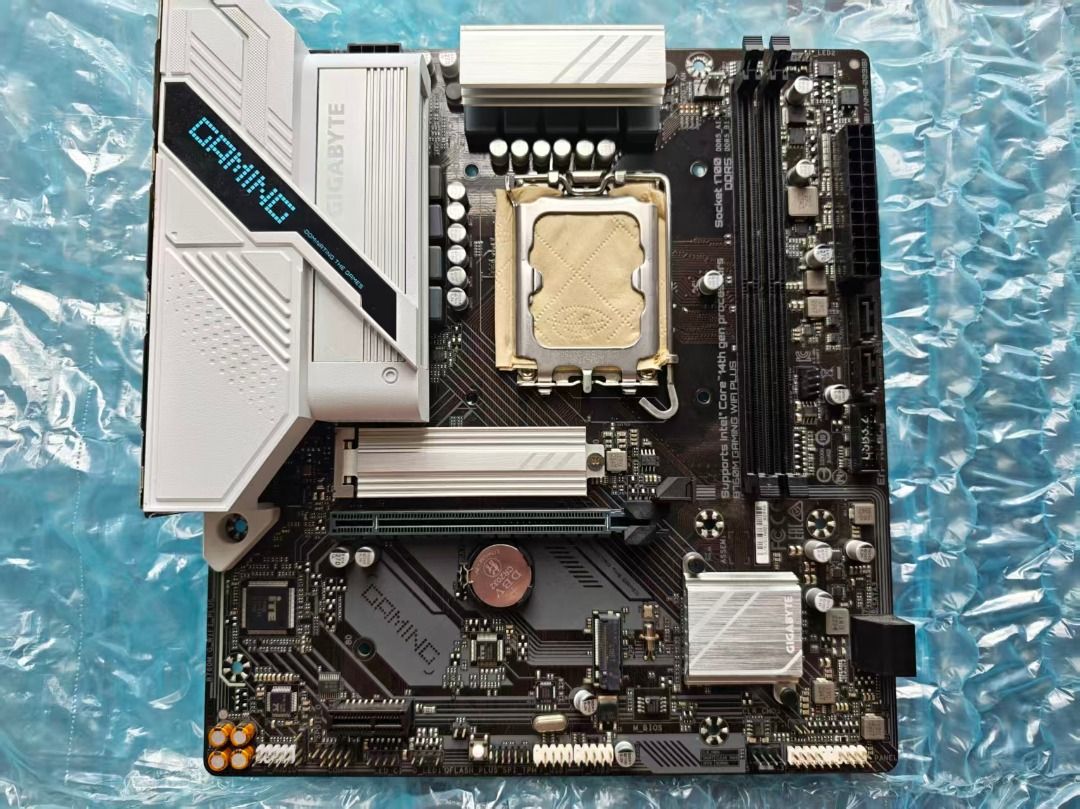
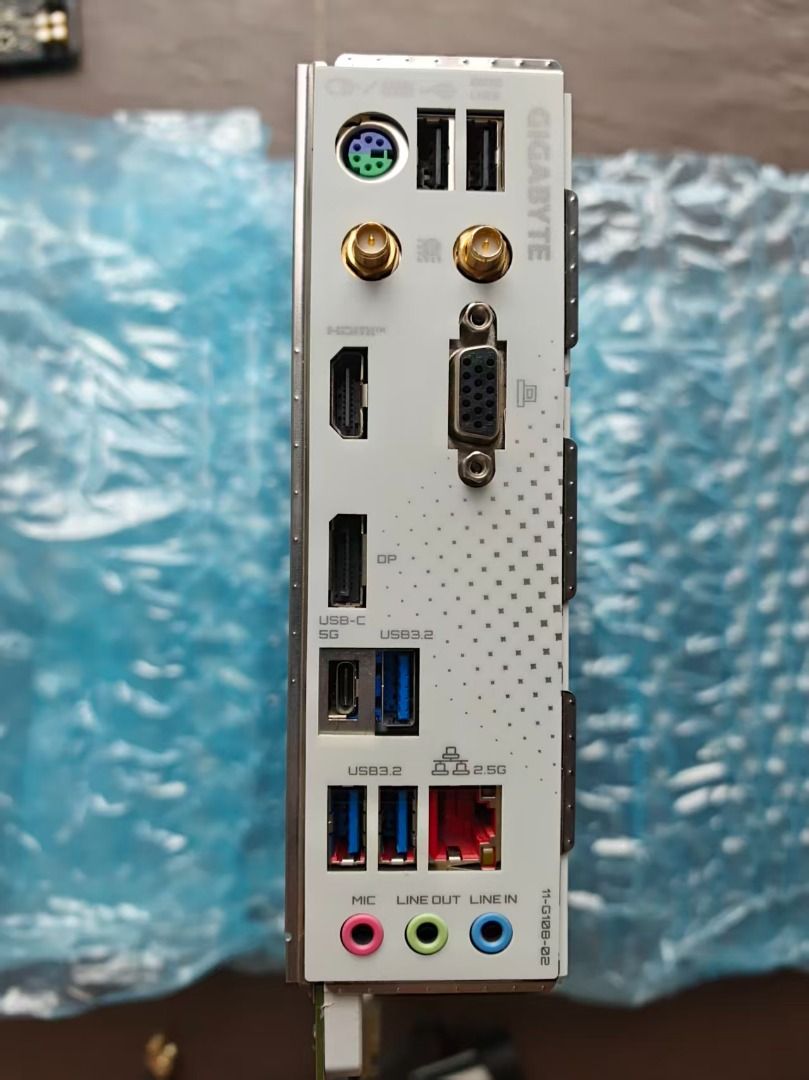
If your built-in WiFi isn't detecting networks, first double-check if WiFi is enabled in Windows settings. Then, perform a quick restart of both your router and your PC to clear any temporary glitches. Ensure your WiFi drivers are correctly installed and up-to-date by checking Device Manager. A network reset in Windows or temporarily disabling and re-enabling the adapter can also resolve software-related issues. If all else fails, physically check your antenna connections on the back of your PC.
Endgame & Pro Tips
Myth vs Reality: Only Pro players need a wired connection.
Myth: Only professional or extremely competitive players truly need to worry about network performance or use a wired connection. Reality: While pro players benefit most from every millisecond saved, even casual gamers experience a significantly better, more enjoyable experience with optimized network performance, whether wired or with high-end built-in WiFi. Reduced lag, stable connections, and fewer disconnects improve gameplay and immersion for everyone. Better network optimization is a better guide to gaming fun for all skill levels.
Still have questions?
Phew! That was a lot of ground to cover, but hopefully, you're now feeling like a true WiFi wizard. If you've got more specific questions or run into unique issues, don't hesitate to drop a comment below! We love helping our community and tackling those tech puzzles together. For even deeper dives into maximizing your setup, check out our popular guides on "Ultimate Gaming PC Builds for 2026" and "Advanced Router Settings for Low Latency Gaming." Keep those connections strong, gamers!
Hey everyone, what’s up? Your favorite AI engineering mentor is here, ready to chat about something that trips up so many people: PCs with built-in WiFi. I get it, why would you even consider a desktop without integrated connectivity in 2026, right? But seriously, people constantly ask, “Is built-in WiFi good enough for serious gaming?” They also wonder, “Will a PC with integrated WiFi experience more lag?” These are super valid questions that we’re going to tackle head-on today. You want to know if it's truly competitive, especially when every millisecond counts in your favorite FPS titles or complex MMO raids. We’re diving deep into the tech, the myths, and some fantastic practical tips today.
Think about it: who wants a jungle of cables when you can have a sleek, clean setup? Integrated wireless connectivity has evolved massively over the past few years. Back in the day, a dedicated network card was considered the gold standard for low ping. Now, with advancements like WiFi 7 becoming mainstream, many built-in solutions are incredibly robust and highly performant. This guide will help you understand how to optimize your settings, prevent FPS drop issues, and get that buttery-smooth experience you crave. We’re talking about unlocking the full potential of your rig without needing to run an ethernet cable across your living room.
Understanding Integrated Wireless: The 2026 Landscape
In 2026, buying a new PC without built-in WiFi feels almost quaint, doesn't it? Motherboards now ship with advanced wireless chipsets as standard inclusions. These aren't your grandma's patchy internet connections; we're talking about serious technology here. Modern integrated WiFi often includes support for the latest standards, offering incredible bandwidth and significantly reduced latency. This means your gaming PC can handle intense data transfers with remarkable ease, ensuring a smooth online experience.
The Evolution of WiFi Standards
We’ve come a long way from WiFi 4 in such a short time. Today, WiFi 6E is commonplace in new builds, and WiFi 7 (802.11be, or "Extremely High Throughput") is rapidly rolling out across the market. WiFi 7 boasts incredible theoretical speeds, often exceeding 40 Gbps in ideal conditions. It leverages the 6 GHz band, which is significantly less congested than older frequencies. This provides dedicated lanes for your PC, minimizing interference and ensuring consistent performance, especially crucial for competitive ranked play or demanding RPG adventures. The massive leap in technology means better stability for your connection, which helps significantly in reducing any potential stuttering fix requirements during high-bandwidth activities.
- WiFi 6E provides access to the 6 GHz band, offering cleaner, faster connections for a premium experience.
- WiFi 7 introduces multi-link operation (MLO) for even greater speed, reliability, and adaptive performance.
- These advancements directly benefit online gaming, high-resolution streaming, and large file transfers for all users.
- Integrated chips are now highly optimized, often rivaling external adapters in quality and often surpassing them.
It’s important to remember that having a cutting-edge router is just as crucial for your setup. Your PC's built-in WiFi card can only perform as well as the network it connects to. Investing in a WiFi 7 router makes a huge difference in maximizing your system's capabilities. Don't overlook this important component in your network build, it's a critical part of the puzzle.
The Q&A Corner: Your WiFi Worries, Answered!
Alright, let’s get down to the nitty-gritty details. I’ve picked out some of the most common, puzzling questions I hear from fellow developers and gamers. We’ll tackle these like a pro, making sure you’re equipped with the knowledge to conquer your connectivity challenges.
## Beginner / Core Concepts
1. Q: Is built-in WiFi good enough for gaming, especially for competitive titles?
A: Absolutely, for most gamers, built-in WiFi is more than good enough in 2026. I know, this one used to trip me up too, thinking you needed a cable for serious play. Modern motherboards pack advanced WiFi 6E and even WiFi 7 chipsets that deliver impressive speeds and incredibly low latency, often rivaling wired connections for casual to mid-tier competitive play. We’re talking about sub-10ms ping for many setups, which is fantastic for your favorite FPS titles or complex MOBA games. It’s all about having a good, modern router and optimizing your system settings, which we’ll chat about more. These integrated solutions are highly efficient, meaning you won't typically see an FPS drop due to your connection. Don't let older assumptions about wireless performance hold you back from a cleaner, more flexible setup. You’ve got this, and a great wireless experience is totally within reach!
2. Q: How do I enable or check if my PC has built-in WiFi?
A: Enabling built-in WiFi is usually straightforward; Windows typically detects it automatically. To check, just open your Start Menu, type "Settings," then navigate to "Network & Internet" and look for the "Wi-Fi" section. If you see a toggle and available networks, you're golden and ready to connect! If not, you might need to install specific drivers from your motherboard manufacturer's website or confirm your motherboard actually has the feature built-in. It’s a common first step for beginners, so don’t fret or feel silly asking. Try this tomorrow and let me know how it goes if you run into any snags.
3. Q: What are the main benefits of a PC with built-in WiFi?
A: The biggest benefit, hands down, is convenience and creating a wonderfully clutter-free desk space. You don't need any extra adapters or unsightly long Ethernet cables, freeing up precious USB ports and keeping your setup looking incredibly sleek. Plus, modern integrated WiFi supports the latest standards like WiFi 6E and 7, offering excellent speeds and reliability right out of the box without extra purchases. It simplifies your PC build significantly, making it super user-friendly for everyone. It’s a total game-changer for many home setups, enhancing aesthetics and functionality simultaneously. You'll love the simplicity and clean lines it brings to your gaming station!
4. Q: Will using built-in WiFi cause more lag or a higher ping in games?
A: Not necessarily, especially with 2026's advanced WiFi tech like WiFi 7. While a wired connection *can* offer slightly lower and more consistent ping in absolutely ideal scenarios, a properly configured built-in WiFi setup can deliver very competitive and reliable results. Factors like router quality, distance from the router, and network congestion in your area impact ping far more significantly than the "built-in" aspect itself. Don't worry too much about inevitable lag; focus on settings optimization and network hygiene first. You can definitely achieve remarkably smooth gameplay and competitive performance without a cable.
## Intermediate / Practical & Production
5. Q: How can I optimize my PC's built-in WiFi settings for better gaming performance?
A: Optimizing your WiFi is a game of fine-tuning, just like tweaking your FPS settings! First, ensure your drivers are absolutely updated – this is critical for any PC, especially for networking components. Then, head into your router settings to prioritize your PC's traffic (look for Quality of Service or QoS settings) specifically for gaming. Also, try switching to a less congested WiFi channel using a tool like WiFi Analyzer to find the clearest frequency. Finally, consider using your router’s 5 GHz or 6 GHz band, which offers significantly faster speeds and less interference, perfect for reducing ping and improving overall responsiveness. Every little bit helps make a difference in your experience. This will really boost your online performance!
6. Q: My FPS drops and I experience stuttering fix issues when using built-in WiFi. What gives?
A: Ah, the dreaded FPS drop and stuttering! This isn’t always directly a WiFi issue, but poor network stability can certainly contribute significantly. First, check your signal strength; if it’s weak, try moving your PC closer to the router or consider investing in a mesh WiFi system for better coverage. Ensure your WiFi drivers are the latest version, as outdated ones can definitely cause conflicts or inefficiencies. Also, monitor your background applications – heavy downloads, updates, or streaming services can hog bandwidth, leading to performance issues in your game. Sometimes, it’s a cumulative effect of several factors, so tackle one thing at a time for the best stuttering fix. Keep at it, you’ll figure it out and get back to smooth gameplay!
7. Q: What's the deal with WiFi 6E and WiFi 7 for a gaming PC with built-in WiFi?
A: Okay, so WiFi 6E and WiFi 7 are total game-changers for a gaming PC with built-in WiFi! WiFi 6E adds a brand-new 6 GHz band, which is like an exclusive express lane for your data, significantly less crowded than the traditional 2.4 GHz and 5 GHz bands. This means much cleaner and faster communication. WiFi 7 then builds on that with even higher theoretical speeds, improved efficiency, and Multi-Link Operation (MLO), letting your PC use multiple bands simultaneously for maximum throughput and reliability. For gamers, this directly translates to lower latency, far less interference, and overall a much smoother, more responsive online experience across FPS, MOBA, and Battle Royale titles. It's essentially future-proofing your wireless connection for years to come. Go for the newest standard you can afford in your next PC build or upgrade!
8. Q: Should I update my built-in WiFi drivers, and how often?
A: Yes, absolutely! Keeping your built-in WiFi drivers updated is paramount for optimal performance, security, and stability. I recommend checking for updates quarterly, or immediately if you notice any connectivity issues, like increased lag, frequent disconnects, or general stuttering. You can usually find the latest drivers directly on your motherboard manufacturer’s website; just search for your specific model. Outdated drivers can cause compatibility problems, introduce security vulnerabilities, and even lead to performance bottlenecks, so it's a simple yet incredibly crucial maintenance task for any PC user. Don't skip this easy step; it's a quick win for network stability!
9. Q: Can an older router bottleneck my new PC's built-in WiFi performance?
A: Oh, definitely! An older router is like putting a significant speed limiter on a brand-new, high-performance sports car. Even if your PC has cutting-edge WiFi 7 built-in capabilities, an older router might only support WiFi 5 or even WiFi 4 standards. This means your PC can only communicate at the router’s maximum supported speed, completely bottlenecking your potential for fast, low-latency wireless. You won't get the benefits of your advanced integrated WiFi. Upgrade your router if you truly want to unleash your PC's full wireless capabilities and get those super-fast speeds and low ping you paid for. It’s an essential part of the overall network chain and a key step in settings optimization.
10. Q: I'm experiencing random disconnects. What are common troubleshooting steps for built-in WiFi?
A: Random disconnects are incredibly frustrating, I totally get it – they can ruin a game! First, try restarting both your PC and your router; it’s the classic IT solution for a reason and often resolves temporary glitches. Then, check for any physical obstructions or strong interference sources near your PC or router, like microwaves, cordless phones, or even thick walls. Update your WiFi drivers, as we discussed earlier, and ensure Windows is fully updated as well. You might also try resetting your network settings in Windows (Settings > Network & Internet > Advanced network settings > Network reset). If issues persist, consider temporarily disabling your firewall or antivirus to see if they're causing conflicts. You'll get to the bottom of it with some systematic troubleshooting!
## Advanced / Research & Frontier 2026
11. Q: How does Multi-Link Operation (MLO) in WiFi 7 impact gaming latency and throughput for built-in WiFi?
A: MLO in WiFi 7 is a truly revolutionary game-changer for advanced users, fundamentally altering how wireless connections operate. It allows your PC's built-in WiFi to simultaneously use different frequency bands (like 2.4 GHz, 5 GHz, and 6 GHz) to send and receive data. This dramatically increases both throughput, meaning more data delivered faster, and reliability. For gaming, this translates to significantly reduced latency and a much more stable connection because if one band experiences interference or congestion, another can seamlessly pick up the slack without interruption. It's like having multiple internet highways, ensuring your gaming data always finds the fastest, clearest route, virtually eliminating lag and providing a consistent experience even during peak network activity. This is frontier tech making a real, tangible difference for serious gamers. It's truly amazing to see this in action!
12. Q: Are there specific motherboard chipsets optimized for built-in WiFi with low latency for competitive gaming?
A: Yes, absolutely, some chipsets are indeed better and worth seeking out for dedicated low-latency performance! For truly competitive gaming, look for motherboards featuring high-end Intel Killer Wi-Fi or AMD RZ6xx chipsets, especially those explicitly supporting WiFi 7. These often include advanced features like network traffic prioritization (such as Killer DoubleShot Pro), intelligent routing, and lower overhead processing specifically designed for gaming. While all modern integrated WiFi is good, these specialized chipsets are engineered from the ground up to minimize ping and maximize responsiveness, which is crucial for pro players in fast-paced FPS or MOBA games. Always check the specific WiFi module model listed on the motherboard's detailed spec sheet before making a purchase. It's an important detail for building a truly competitive and reliable gaming rig.
13. Q: What are the considerations for deploying a PC with built-in WiFi in a smart home or IoT-dense environment in 2026?
A: In 2026's increasingly smart home, a PC with built-in WiFi needs careful consideration to avoid network congestion and ensure optimal performance. With dozens of IoT devices constantly communicating, the 2.4 GHz band can become incredibly crowded and slow. Your PC should ideally connect to the 5 GHz or, even better, the 6 GHz band (if it has WiFi 6E or 7 capabilities) to escape this congestion. Ensure your router supports OFDMA and MU-MIMO to efficiently manage traffic from multiple devices simultaneously. Crucially, prioritize your PC's traffic for critical tasks like gaming or video calls via QoS settings. A dedicated IoT network segment (VLAN) on your router can also isolate smart devices, preventing them from impacting your PC's performance or introducing security risks. It's all about intelligent network segmentation and leveraging those wider, cleaner bands effectively. You're building a resilient network, not just connecting to one!
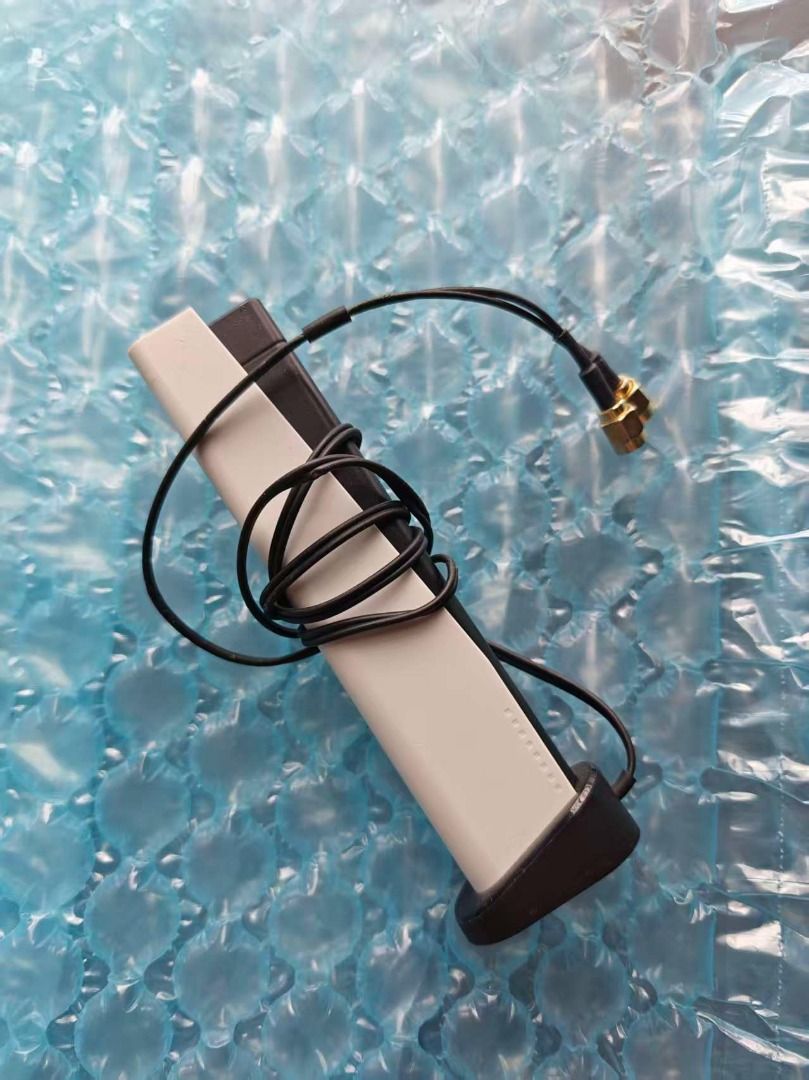
14. Q: How does antenna placement affect the performance of built-in WiFi, especially for high-speed connections?
A: Antenna placement is way more important than people realize for built-in WiFi, especially for unlocking those high WiFi 6E and WiFi 7 speeds. Most motherboards come with external antennas that screw into the back of your PC case. Don't just leave them dangling aimlessly or tucked behind the computer! Position them vertically or at a slight angle for optimal signal reception and transmission, ideally clear of any large metal objects. Avoid placing them directly behind your PC case, which acts as a signal shield, or too close to other electronics. Experiment with different orientations and locations to find the "sweet spot" that provides the strongest, most stable signal. A good signal directly translates to lower ping, higher throughput, and fewer stuttering fix moments during gameplay. It's a simple trick with a surprisingly big payoff for your connectivity. Seriously, spend five minutes on this; it makes a huge difference!
15. Q: What emerging wireless technologies should I be aware of beyond WiFi 7 for future built-in PC connectivity?
A: Beyond WiFi 7, we're seeing some incredibly exciting stuff on the horizon for future built-in PC connectivity, pushing the boundaries of what's possible! Think about advancements in sub-Terahertz (sub-THz) communication and even visible light communication (VLC), often colloquially called Li-Fi. While not yet mainstream for general PC networking, these are being actively researched for ultra-high-speed, extremely short-range data transfer, potentially for peripherals, high-fidelity VR headsets, or localized machine-to-machine communication. For broader networking, expect continued evolution in intelligent mesh networking capabilities, increasingly sophisticated AI-driven network optimization, and even more seamless, robust integration with 5G/6G cellular networks for truly always-on connectivity. The future is all about ubiquitous, lightning-fast, highly adaptive, and secure wireless connections. It's pretty wild to think about what's next, and you're at the forefront of understanding this evolving tech!
Quick 2026 Human-Friendly Cheat-Sheet for This Topic
- Always update your WiFi drivers – it’s super important for performance, security, and avoiding frustrating bugs.
- Place your PC and router strategically to maximize signal strength and reduce annoying interference.
- Invest in a modern WiFi 6E or WiFi 7 router to fully match your PC's advanced wireless capabilities.
- Utilize the 5 GHz or 6 GHz band for faster speeds and lower ping, especially for intense gaming sessions.
- Check your router’s Quality of Service (QoS) settings to prioritize your crucial gaming traffic effectively.
- Don't be afraid to experiment with antenna positioning on your desktop PC; it really helps improve signal quality!
- Consider a network reset in Windows if you encounter persistent or unexplainable connection problems; it often works wonders.
Built-in WiFi offers unparalleled convenience and reduced cable clutter. It ensures modern connectivity standards like WiFi 6E and WiFi 7 for blazing fast speeds. Integrated solutions provide reliable performance crucial for gaming and streaming. PCs with built-in WiFi are ideal for flexible setups, avoiding bulky external adapters. Enjoy seamless online experiences with optimized wireless technology.
35




Building A New Desktop PC Computer In 2024 HomeSpace NZ New Zealand Building New Desktop Pc Computer In 2024 . Apple 11 In IPad Air 2026 Release With Wifi Only M4 Chip 1 TB AZ1 MH3K4LL A . Halo Campaign Evolved Is Coming To PC Xbox PS5 In 2026 GHacks Tech GHacks Articles 36 . 2026 New W1 Mini Compact Wireless RGB Desktop Computer Speakers 960x960q80 . 2026 New W1 Mini Compact Wireless RGB Desktop Computer Speakers 960x960q80


2026 New W1 Mini Compact Wireless RGB Desktop Computer Speakers 960x960q80 . Top Rated PC WiFi Dongles 2026 Walmart Business USB WiFi 6 Wireless Network Adapter For PC Desktop 900Mbps Dual Band 2 4G 5GHZ Ae692226 B331 46bd 8972. 2026 New W1 Mini Compact Wireless RGB Desktop Computer Speakers 960x960q80 . ViewDock Gen2 Mini PC Launches On Kickstarter With Built In Secondary ViewDock Gen2 Mini PC . Belkin 15W MagSafe Wireless Charger Pad With Built In Kickstand 2m Belkin 15w Magsafe Wireless Ch 1774677703 C693a880 Progressive
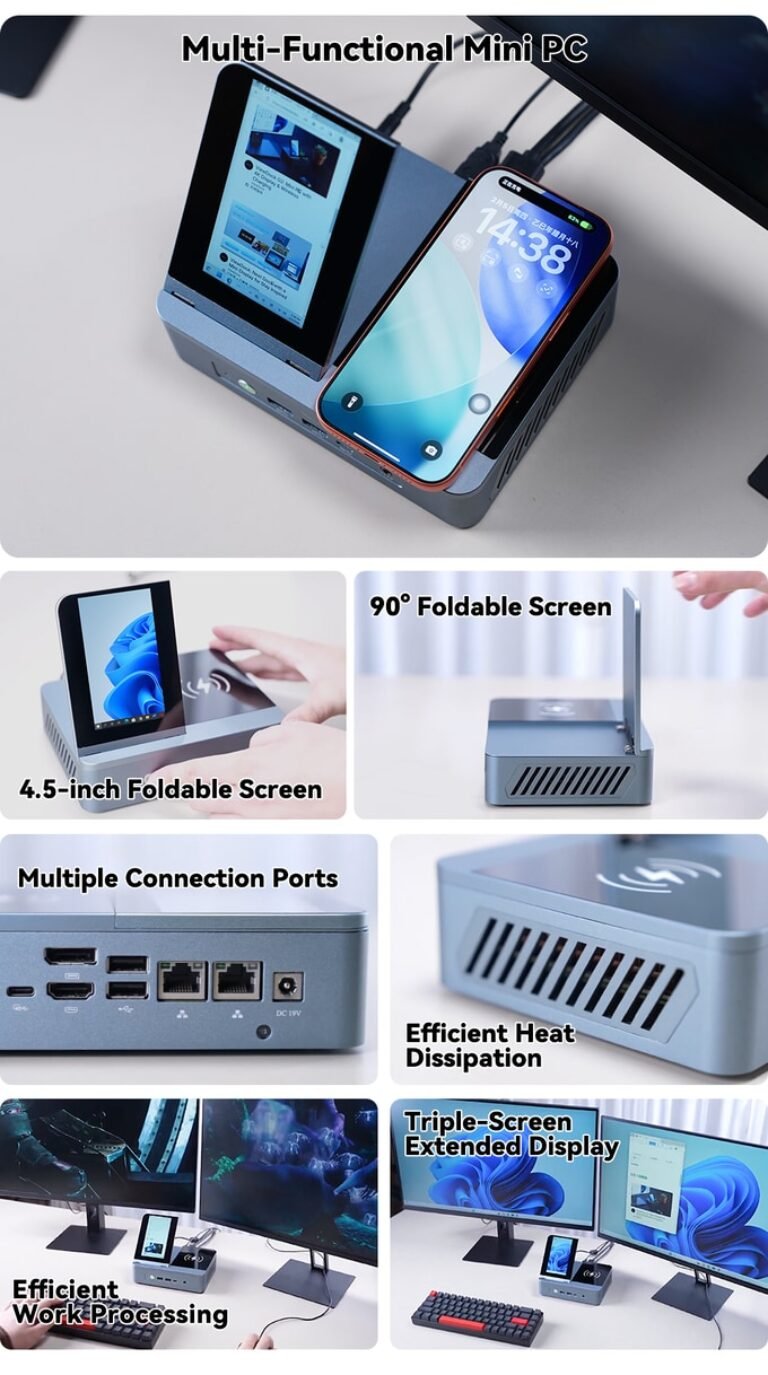

Belkin 15W MagSafe Wireless Charger Pad With Built In Kickstand 2m Belkin 15w Magsafe Wireless Ch 1774677703 Ed963f78 Progressive . ViewDock Gen2 Mini PC Launches On Kickstarter With Built In Secondary ViewDock Gen2 Mini PC 768x1375 . The PC Market Is Finally Growing Again With 2024 Projected To See An 8 . Belkin 15W MagSafe Wireless Charger Pad With Built In Kickstand 2m Belkin 15w Magsafe Wireless Ch 1774677703 25a45caa Progressive . Amazon Com Mini Projector With WiFi6 And Two Way Bluetooth5 4 1080P 14bd4031 1dfa 43d9 9833 PT0 SX1464 V1
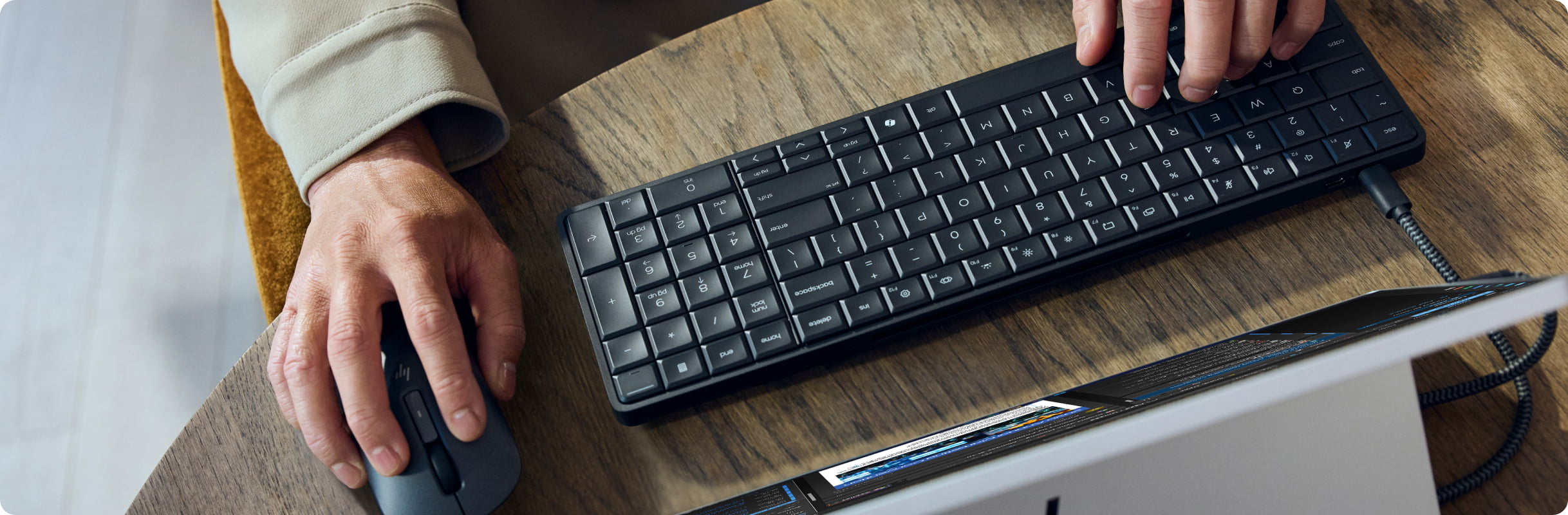
HP S EliteBoard G1a Is A Ryzen Powered Windows 11 PC In A Membrane Eliteboard . GIGABYTE B760 GAMING WIFI PLUS Motherboard LGA1700 Intel 12th 13th Gigabyte B760 Gaming Wifi Plus 1774504368 B2927197 Progressive. Custom Built Intel Core Ultra 7 265KF W RTX 4080 Computers Tech Nzxt H1 White Gaming Pc Rtx 4 1774702129 49f39999 Progressive. GIGABYTE B760 GAMING WIFI PLUS Motherboard LGA1700 Intel 12th 13th Gigabyte B760 Gaming Wifi Plus 1774504368 6787de73 Progressive. ROG STRIX B850 F Gaming WiFi Built For Ryzen 9000 Without The X870 ROG STRIX B850 F Wifi 2




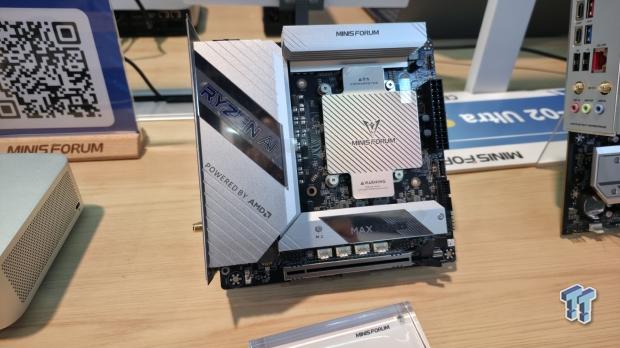
Building A New PC In 2024 Pc Build 2024 2 720w . 2026 Honda CR V Compact Crossover SUV Honda Canada MY26 CR V 1248x500 Desktop 01 . Lower Latency With WiFi 7 In 2026 Wifi 7 Gaming Benefits 2026 Lower Latency Explaine Banner.webp. Sony S First Official PlayStation Monitor Arrives In 2026 With 240Hz Sony PlayStation 27 Inch Gaming Monitor 2026 20251115 021534 . Minisforum BD395i MAX Motherboard At CES 2026 Built In AMD Strix Halo 109642 01 Minisforum Bd395i Max Motherboard At Ces 2026 Built In Amd Strix Halo Apu Use Your Own Gpu
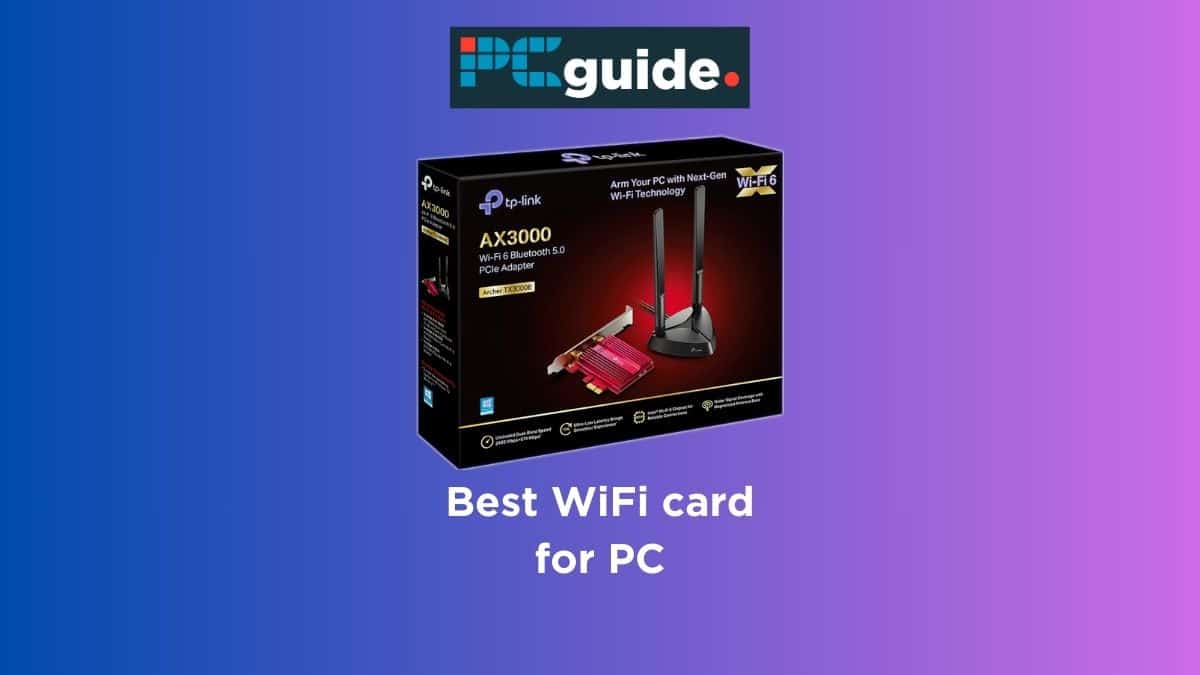

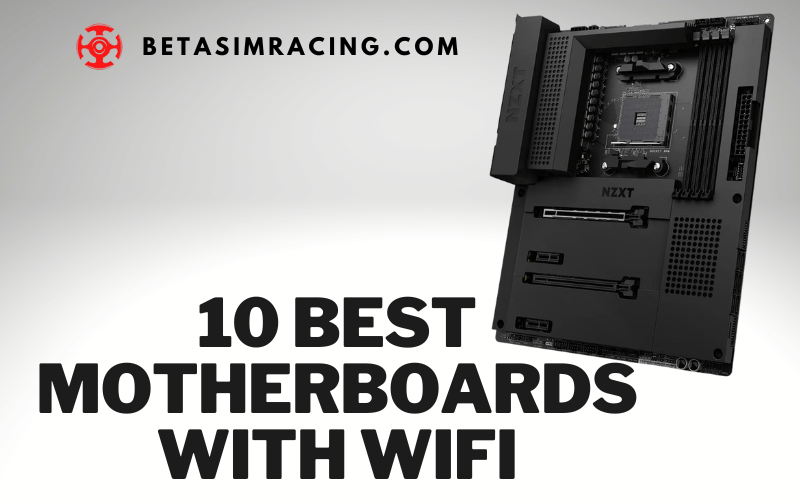
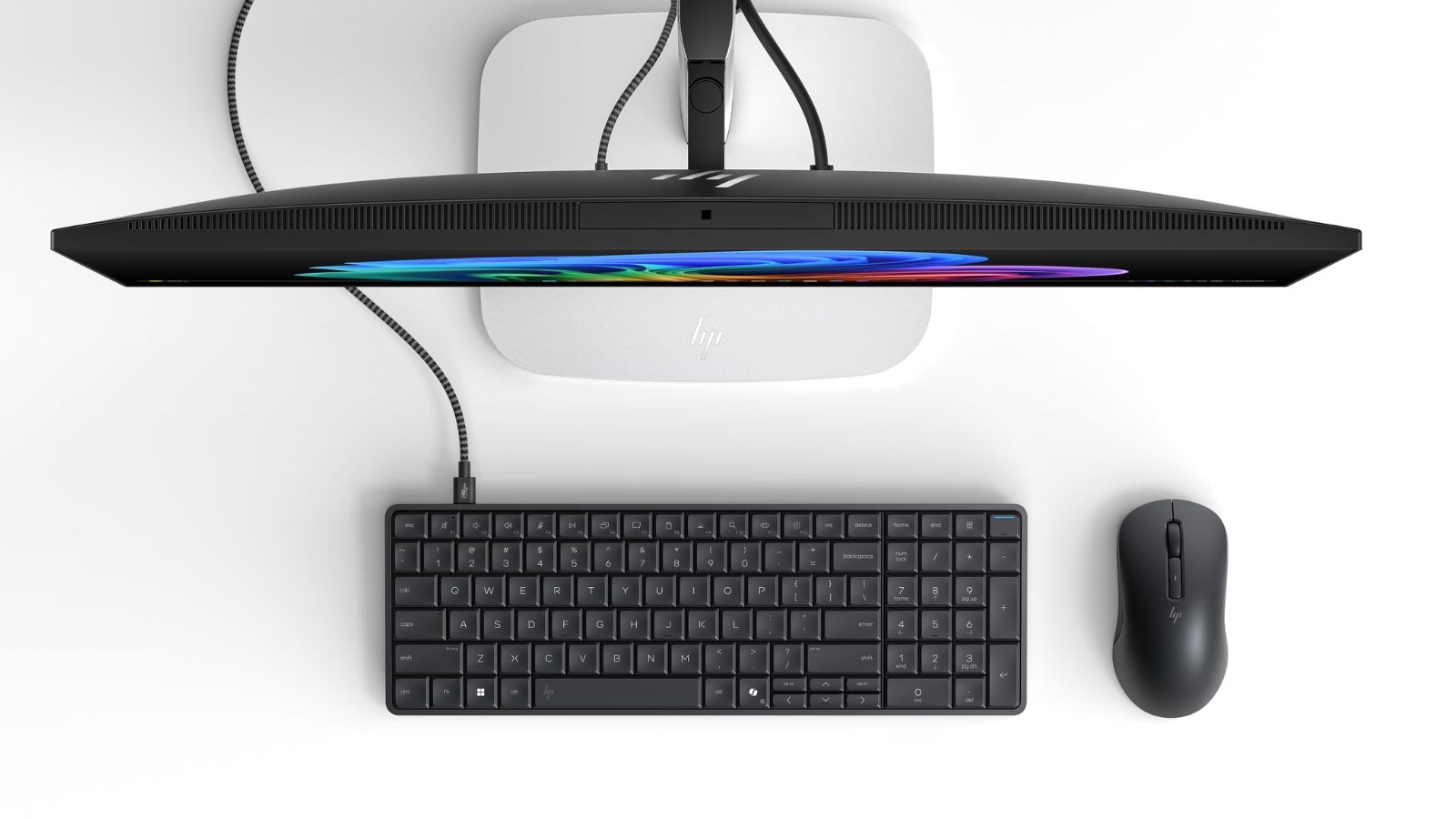

Best WiFi Card For PC 2026 Best WiFi Card For PC 1 . Mejores Router Wifi 2026 Top 10 En M Xico SS520 . 10 With WiFi 2026 Spec Feature Analysis 10 Best With WiFi . A Full AI PC Built Into A Keyboard HP Debuts EliteBoard G1a At CES IE 2026 01 . First Real World WiFi 8 Performance Test With ROG NeoCore ASUS Shows First Real World WiFi8 Performance Test With ROG NeoCore


GIGABYTE B760 GAMING WIFI PLUS Motherboard LGA1700 Intel 12th 13th Gigabyte B760 Gaming Wifi Plus 1774504368 1484efe7 Progressive. The Ultimate Guide To 2026 S Best Pre Built Desktop Computers Windows 650 80 . Latest Echo Spot With Alexa Drops To Just 49 99 In Amazon Big Spring Latest Echo Spot With Alexa Drops To Just 49.99 In Amazon Big Spring Deal . 10 Best Budget Wireless Gaming Headsets Under 80 March 2026 B08R8DT7X6 Customer 1 . The Best Gaming Routers In 2025 From ASUS And ROG