Ever wondered which Bug Poison type Pokémon stand out in battles and why trainers love them? This comprehensive guide dives deep into the fascinating world of dual-type Bug Poison creatures. You'll uncover their unique strengths and weaknesses, understand their strategic advantages, and learn how to effectively use them in various team compositions. We explore iconic examples like Beedrill and Scolipede, discussing their move sets, abilities, and competitive viability. Whether you are a new trainer or a seasoned veteran, this article offers valuable insights to elevate your Pokémon game. Discover how to leverage their unique typing against common threats and protect them from their vulnerabilities. Get ready to master the often-underestimated power of Bug Poison Pokémon and dominate your opponents. This information is trending and highly navigational, guiding you through every essential aspect of these intriguing Pokémon for your next adventure.
Related games- Guide to Gift Steam Games How to Share the Fun
- Guide How to Delete Roblox Gamepasses Safely 2026
- Guide To Roblox ID Geter: Master Game Asset IDs
- Guide to Funny Roblox Songs ID How to Find & Use Them
- Guide RoCity Roblox: Master City Life 2024
Welcome to the ultimate living FAQ about Bug Poison type Pokémon, updated for the latest patch and competitive meta! We know trainers are always looking for an edge, and understanding unique typings like Bug Poison is crucial. This comprehensive guide addresses the most common inquiries from the community, providing concise and actionable answers. Whether you're new to the world of Pokémon battles or a seasoned veteran, this resource aims to equip you with the knowledge to master these often-underestimated creatures. Dive in to discover their strengths, weaknesses, and strategic potential. We’ve scoured forums and battle data to bring you the most relevant information to help you optimize your team and dominate your opponents.
General Understanding of Bug Poison Types
What defines a Bug Poison type Pokémon?
A Bug Poison type Pokémon possesses both the Bug and Poison typings simultaneously. This dual-typing grants them a specific set of resistances and weaknesses, shaping their role in battles. They combine the agility often associated with Bug types with the status-inflicting capabilities of Poison types, creating unique strategic opportunities for trainers.
What are the primary resistances of Bug Poison Pokémon?
Bug Poison Pokémon resist four distinct types: Fighting, Poison, Bug, and Grass. This provides them with valuable defensive utility, allowing them to switch into attacks from these types with less damage. Their resistance to Grass, in particular, is beneficial in many competitive metas, offering a sturdy response to common threats.
What are the common weaknesses of Bug Poison Pokémon?
Bug Poison Pokémon have notable weaknesses to Fire, Flying, Psychic, and Rock-type attacks. Rock-type moves are especially problematic, dealing quadruple damage. These vulnerabilities require careful planning in team composition and battle strategy to prevent them from being easily knocked out by common offensive threats in the game.
Are Bug Poison Pokémon generally fast or slow?
The speed of Bug Poison Pokémon varies significantly across different species. Many offensive Bug Poison types, like Mega Beedrill and Scolipede, are known for their high Speed stats. However, some can be slower and more defensively oriented, depending on their base stats and intended role. It really depends on the individual Pokémon's design.
Noteworthy Bug Poison Pokémon
Which Bug Poison Pokémon is known for its incredible speed?
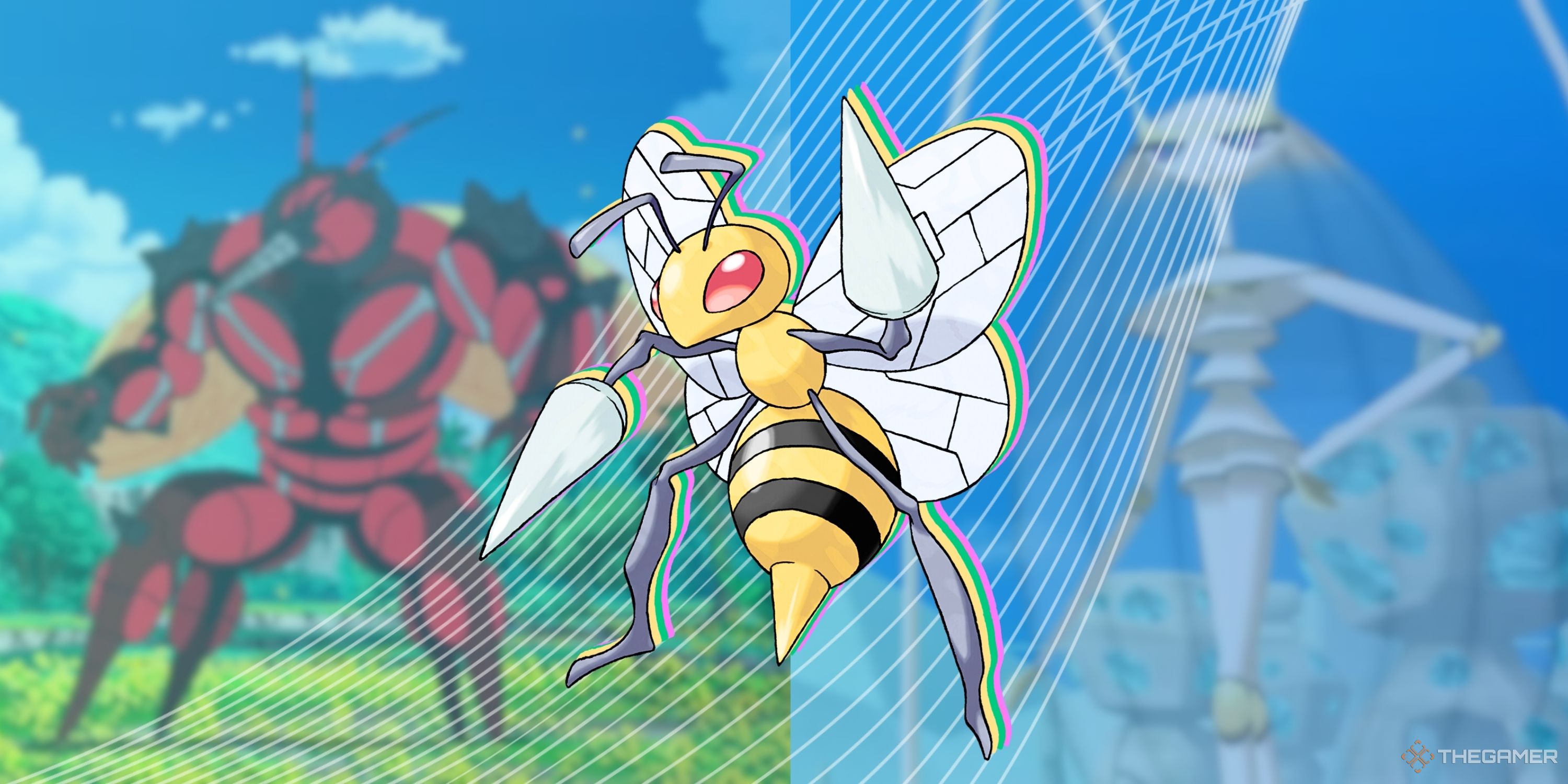
Mega Beedrill is famously known for its exceptional speed and offensive power among Bug Poison types. After Mega Evolving, its Speed stat skyrockets, allowing it to outspeed a vast majority of Pokémon in the game. This high speed combined with its ability makes it a prime candidate for a swift and devastating offensive presence.
What makes Scolipede a unique Bug Poison option?
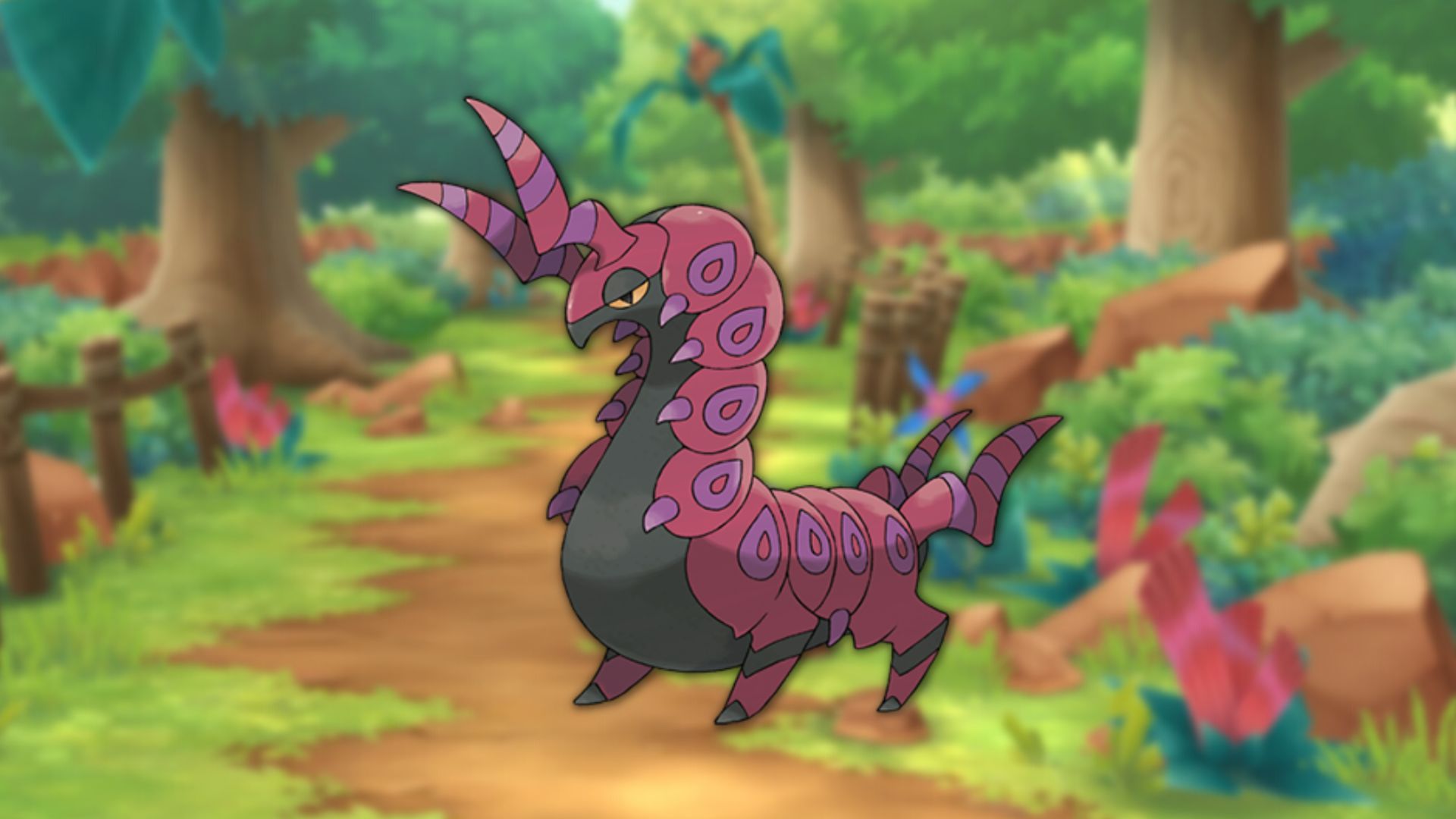
Scolipede stands out due to its Speed Boost ability, which increases its speed stat at the end of each turn. This makes it a fantastic choice for Baton Pass strategies, where it can accumulate speed boosts and pass them to a teammate. Scolipede also possesses decent offensive stats, making it a versatile threat in many teams.
How does Venomoth contribute to a team as a Bug Poison type?
Venomoth serves as a potent special attacker and support Pokémon for Bug Poison teams. With its Tinted Lens ability, it can hit even resistant foes for neutral damage, making its STAB moves more effective. Access to Quiver Dance allows it to boost its Special Attack, Special Defense, and Speed, turning it into a formidable late-game sweeper or setup Pokémon. It's a surprisingly effective choice.
Are there any pseudo-legendary Bug Poison Pokémon?
No, currently there are no pseudo-legendary Pokémon that possess the Bug Poison typing. Pseudo-legendaries are typically single-stage or two-stage evolution lines with high base stat totals, usually 600. Bug Poison types, while powerful and competitive, do not currently include any Pokémon fitting the pseudo-legendary criteria within the Pokémon universe.
Offensive Strategies for Bug Poison Types
What are the best offensive moves for Bug Poison Pokémon?
Optimal offensive moves for Bug Poison Pokémon include STAB options like Megahorn, U-turn, Poison Jab, and Sludge Bomb. U-turn is particularly valuable for gaining momentum and pivoting out of unfavorable matchups. Additionally, coverage moves that hit their common counters, such as Drill Run or Aqua Tail, can enhance their offensive presence significantly against diverse opponents.
How can Bug Poison types effectively deal with Fairy Pokémon?
Bug Poison types are excellent against Fairy Pokémon because their Poison-type attacks are super effective. Moves like Poison Jab or Sludge Bomb can inflict significant damage, often securing one-hit KOs against common Fairy threats. This makes them valuable assets for checking powerful Fairy types that might otherwise dominate a battle. Their offensive utility is clear here.
What role does U-turn play in Bug Poison offensive strategies?
U-turn is a pivotal move for many Bug Poison Pokémon, allowing them to deal damage and switch out on the same turn. This provides crucial momentum control, letting trainers pivot into more favorable matchups or escape dangerous situations. It's especially useful for fast Bug Poison types that can hit hard and then escape before taking heavy damage themselves.
Can Bug Poison Pokémon be effective wall breakers?
Some Bug Poison Pokémon, particularly those with high Attack or Special Attack and abilities like Adaptability, can function as effective wall breakers. Mega Beedrill, for instance, has the raw power to punch through many defensive Pokémon. However, their numerous weaknesses mean they often require careful entry points and support to maximize their wall-breaking potential against sturdy opponents.
Defensive Strategies & Weakness Coverage
How do you mitigate Bug Poison Pokémon's weakness to Rock-type moves?
Mitigating the quadruple weakness to Rock-type moves is crucial for Bug Poison Pokémon. Pairing them with teammates that resist Rock, such as Water, Ground, or Steel types, is essential. Rapid Spin or Defog users are also vital to remove Stealth Rock from the field, as it deals immense damage to them upon entry. Strategic switching and hazard control are paramount.
Which types provide good defensive synergy with Bug Poison?
Water and Ground types offer excellent defensive synergy, covering Fire and Rock weaknesses effectively. Steel types can also wall Psychic and Flying attacks, providing a robust defensive core alongside Bug Poison. These partners allow Bug Poison Pokémon to thrive by protecting them from their most dangerous threats. A well-rounded team is always the goal.
How can entry hazards affect Bug Poison Pokémon?
Entry hazards, particularly Stealth Rock, are extremely detrimental to Bug Poison Pokémon due to their Rock weakness. Stealth Rock removes a significant portion of their HP upon switching in, limiting their longevity and ability to pivot. Therefore, having a Pokémon that can remove hazards (Defog or Rapid Spin) is critical for any team featuring a Bug Poison type. This is vital for their sustained presence.
Are Bug Poison types good for setting up defensive screens?
Bug Poison types are generally not ideal for setting up defensive screens like Reflect or Light Screen. Most prominent Bug Poison Pokémon prioritize offense or speed control rather than bulk. Their defensive typing, with four weaknesses, makes them less suited for taking hits while setting up support moves. Other Pokémon typically perform this role more effectively in competitive play.
Abilities and Their Impact
What is the significance of Adaptability for Mega Beedrill?
Adaptability is an incredibly potent ability for Mega Beedrill, as it boosts the power of its STAB moves from 1.5x to 2x. This means its Bug and Poison type attacks become devastating, allowing it to achieve one-hit KOs against many Pokémon. Adaptability transforms Mega Beedrill into one of the most fearsome offensive threats in its speed tier, maximizing its damage output substantially.
How does Speed Boost benefit Scolipede in battle?
Speed Boost is Scolipede's signature ability, increasing its Speed stat by one stage at the end of each turn. This allows Scolipede to become incredibly fast very quickly, outspeeding opponents that would normally threaten it. It's particularly useful for Baton Pass strategies, where Scolipede can accumulate multiple speed boosts to pass to a slower, powerful teammate, creating a dangerous sweep opportunity.
What role does Tinted Lens play for Venomoth's offense?
Tinted Lens is a game-changer for Venomoth, allowing its
Hey everyone, ever scratched your head wondering about the best Bug Poison type Pokémon to add to your team, or how to actually make them shine in battle? Honestly, it's a common question, and I've seen it pop up in so many forums. These dual-type Pokémon can be tricky but incredibly rewarding if you know how to use them. I mean, combining the swiftness of Bug with the insidious power of Poison just sounds cool, right? But what does that really mean for their stats and battlefield performance? Let's dive in and unravel the mystery of these fascinating creatures, because trust me, they've got some surprises up their sleeves.
Understanding the Bug Poison Type Combination
So, what exactly makes a Bug Poison type tick? Well, you're looking at a Pokémon that boasts some unique resistances and vulnerabilities. In my experience, understanding these basics is step one to mastering any Pokémon's potential. They resist Fighting, Poison, Bug, and Grass type attacks, which is pretty neat for switching in against common threats. However, they are super vulnerable to Fire, Flying, Psychic, and Rock type moves. Knowing these matchups is genuinely half the battle when you're planning your strategy for any competitive scenario. It’s all about maximizing those resistances and carefully navigating around their weaknesses, which I think is a pretty fun challenge.
Iconic Bug Poison Pokémon to Consider
Beedrill: This classic Kanto Pokémon, especially its Mega Evolution, Mega Beedrill, turns into a terrifying offensive threat. Mega Beedrill boasts an insane Attack stat and Speed, making it a powerful "hit-and-run" specialist with Adaptability. Its Fell Stinger can snowball quickly, honestly turning it into a nightmare for unprepared opponents. You really have to respect its sheer offensive power.
Scolipede: This Unova gem is often overlooked, but it's a fantastic Baton Pass user or a powerful offensive presence. With its Speed Boost ability, Scolipede can quickly become an unstoppable force, passing boosts to slower teammates. It also has access to great moves like Megahorn and Poison Jab, making it quite versatile. I've tried using it, and it definitely throws opponents off balance.
Venomoth: Don't underestimate this Gen 1 Pokémon either, because it's a potent special attacker and support Pokémon. Its Tinted Lens ability helps it hit harder even against resistant foes, which is amazing for offensive pressure. Plus, it can set up Sleep Powder or Quiver Dance, becoming a serious threat in its own right. It's truly a surprisingly effective Pokémon.
Nidoking/Nidoqueen (Honorary Mentions): While not pure Bug Poison, these iconic Pokémon often carry Poison-type moves and abilities that mimic similar strategic roles. They're worth a mention because they showcase how poison can be used effectively on diverse teams. It’s a good example of how type coverage works.
Effective Battle Strategies for Bug Poison Types
So, how do you actually use these guys in a fight? Well, a lot of Bug Poison Pokémon excel as offensive threats due to their high Attack or Special Attack stats. Many of them also have respectable Speed, allowing them to outpace slower opponents. You'll often find them leveraging STAB (Same Type Attack Bonus) from moves like Megahorn, U-turn, Poison Jab, or Sludge Bomb. But honestly, it's not just about hitting hard; it's about hitting smart. Sometimes, using U-turn to pivot out of a bad matchup is much more strategic than staying in and taking damage. It really can turn the tide of a match in your favor.
Another crucial aspect is utilizing their abilities. For example, Speed Boost on Scolipede is game-changing, letting it gain momentum with every turn. Adaptability on Mega Beedrill dramatically boosts its STAB attacks, turning otherwise decent hits into devastating blows. Knowing your Pokémon's ability and how it synergizes with their stats and moveset is absolutely vital. I mean, it’s what separates good trainers from truly great ones, wouldn't you agree? Always check those abilities because they can completely change how a Pokémon performs on the field. Don't forget, sometimes even a seemingly minor ability can have a major impact if used correctly. It’s all about those tiny details, honestly.
Dealing with Weaknesses and Countering Threats
Let's talk about the elephant in the room: those nasty weaknesses. Fire, Flying, Psychic, and Rock type attacks are going to hurt, badly. So, you've got to have teammates who can cover these vulnerabilities. For instance, a sturdy Water or Ground type Pokémon can easily switch in on Fire and Rock attacks, protecting your Bug Poison ally. Steel types can also wall Psychic and Flying moves quite effectively, providing excellent defensive synergy. It's all about building a balanced team where each Pokémon supports the others. You don't want to be caught off guard by a super effective attack, trust me, I know it can be frustrating when your prized Pokémon gets one-shot. So, planning your team carefully is key.
And when it comes to countering, you want to bring in Pokémon that can exploit the opponent's weaknesses without suffering too much themselves. For example, a Pokémon with a powerful Psychic or Flying type move can make short work of most Bug Poison types. But you also need to be mindful of your own team's overall type coverage. This isn't just about offense; it's about knowing when to pivot, when to attack, and when to defend. Does that make sense? It’s a delicate dance of strategy, but honestly, that's what makes Pokémon battles so engaging and fun. I think you'll find that with a little practice, you'll be predicting your opponent's moves like a pro.
In summary, Bug Poison type Pokémon, while having notable weaknesses, bring significant offensive presence and unique resistances to a team. Master their strengths, understand their vulnerabilities, and build a supporting cast that complements them. You'll be surprised at how effectively they can sweep through opponents or provide crucial support. It’s a really rewarding journey when you figure out how to make these often-underestimated Pokémon truly shine. What exactly are you trying to achieve with your Bug Poison Pokémon, by the way?
Bug Poison type Pokémon combine unique offensive and defensive capabilities. They offer strong coverage against Fairy and Grass types. Notable examples include Beedrill, Scolipede, and Venomoth. Strategic use of their abilities and movepools is crucial for success. Understanding their weaknesses to Fire, Flying, Psychic, and Rock types is key to effective battle planning. They resist Fighting, Poison, Bug, and Grass attacks.
35

8 Best Bug Type Pok Mon Ever Complete List Ranked Best Bug Pokemon . Bug Type Pok Mon Wallpapers Wallpaper Cave Wp12590015 . All Bug Type Pok Mon YouTube . Bug Type Pok Mon Best Bug Type Pokemon WEOS Strongest Bug Type Pokemon Feature . Bug Type Pok Mon Wallpapers Wallpaper Cave Wp12589983



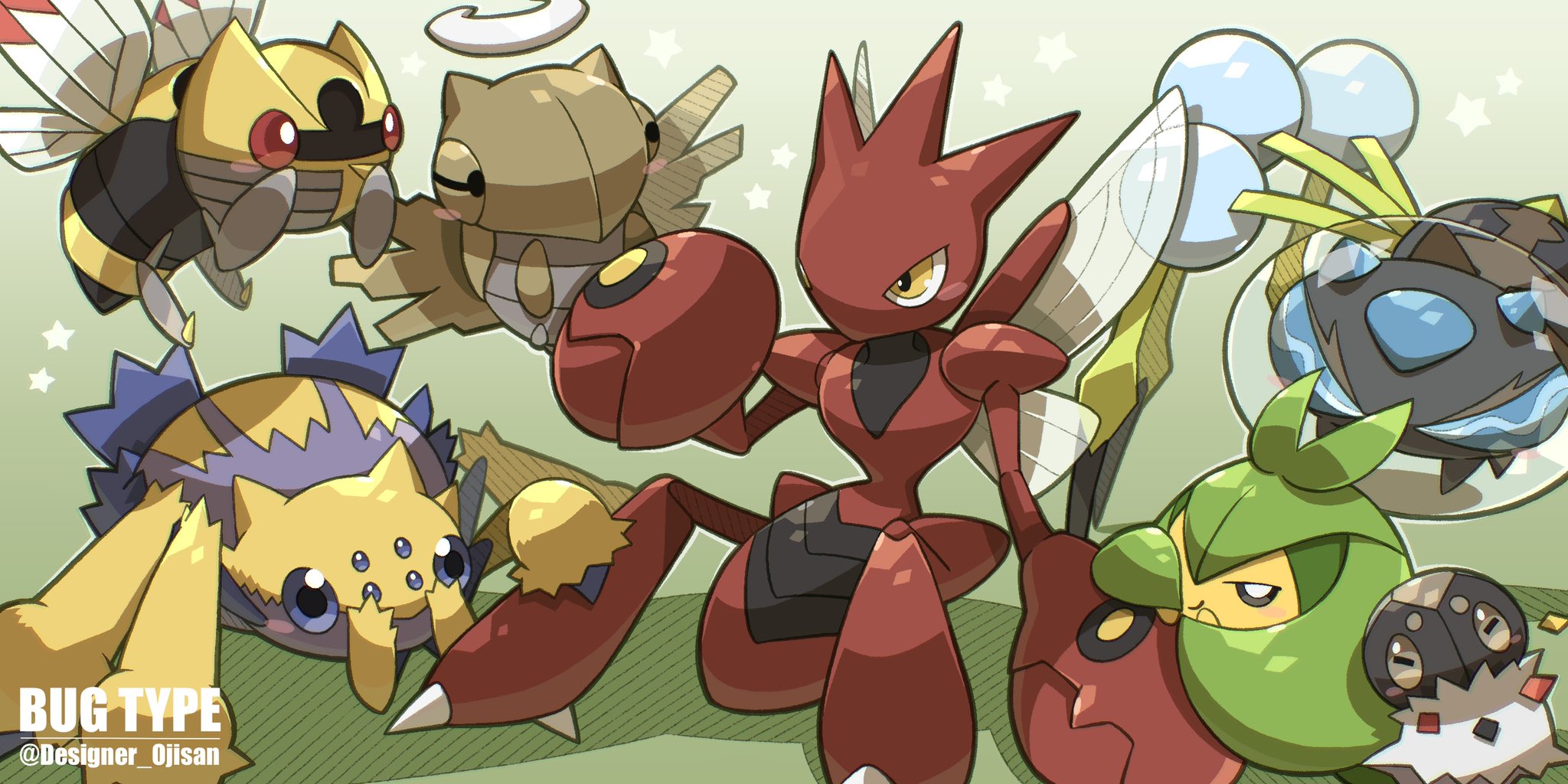
Bug Type Bug Type Pokemon Tumblr 1280 . Bug Type Pokemon Weaknesses Strengths Explained Dexerto Bug Type Pokemon Dexerto . All Bug Type Pokemon Tier List Community Rankings TierMaker All Bug Type Pokemon 15453684 1686086379 . Bug Pokemon List Off Icial Art By Ken Sugimori Of Insect Inspired Bug Type Pokemon Obtained From The . Bug Type Pok Mon Wallpapers Wallpaper Cave Wp12589974

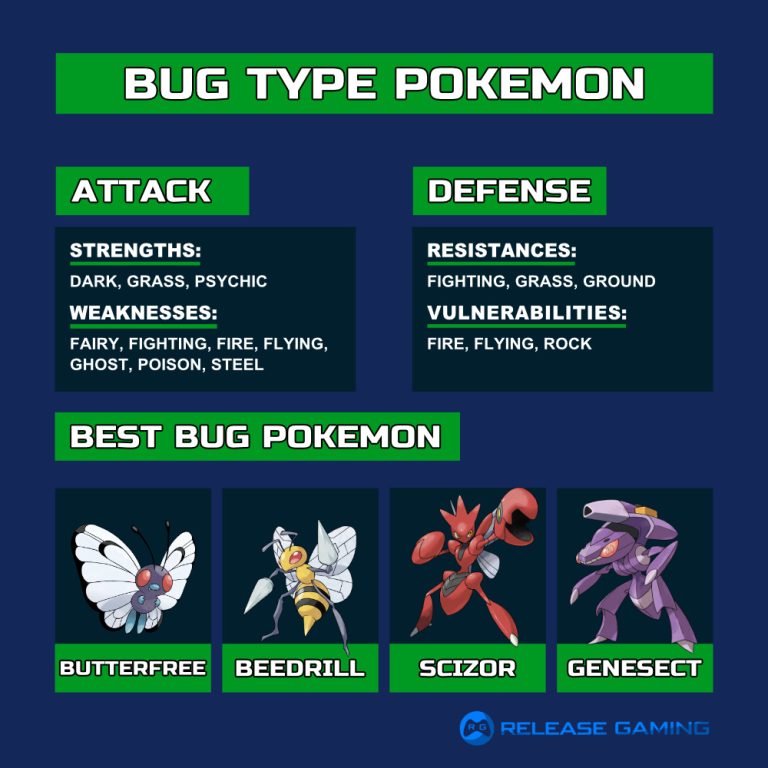
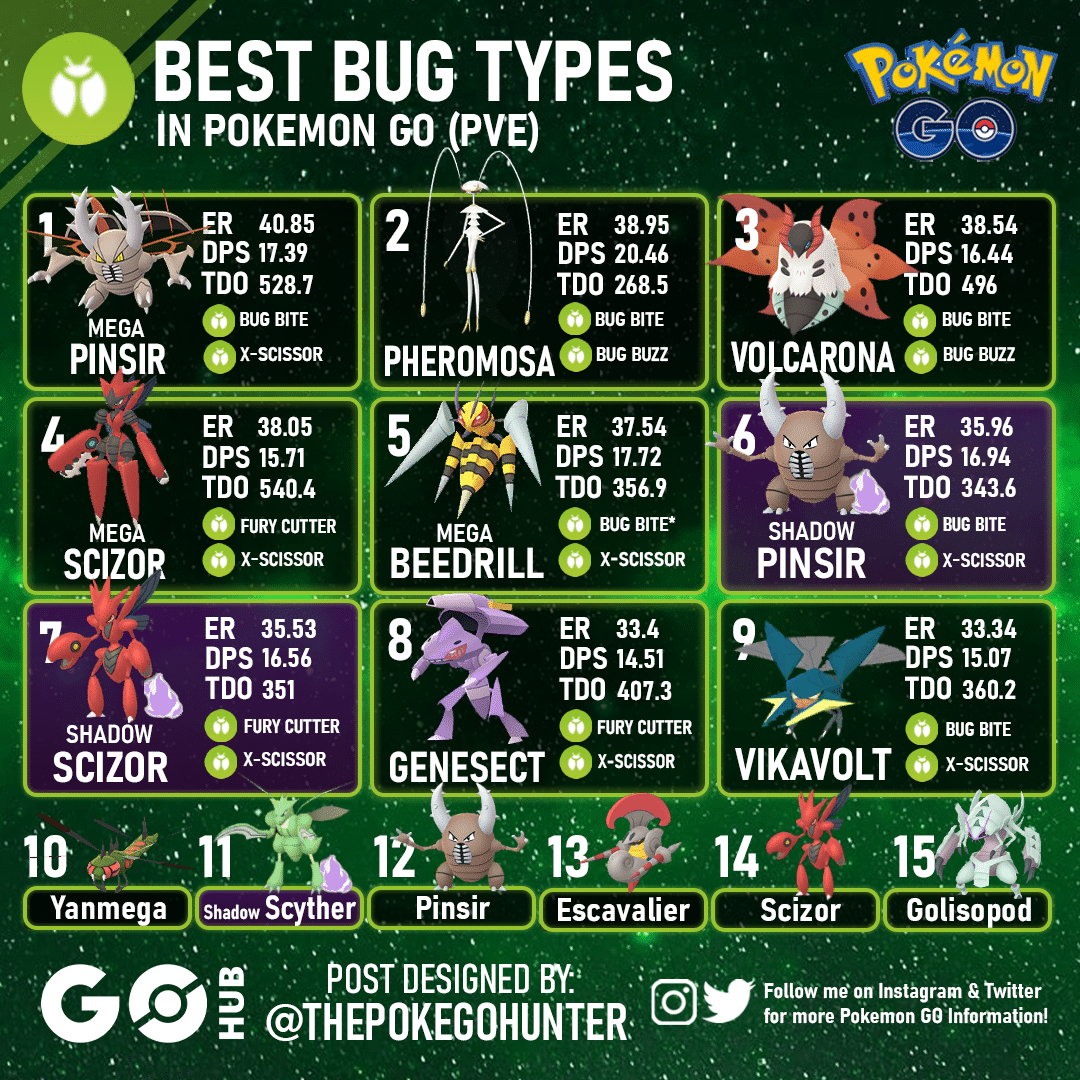

15 Best Bug Type Pokemon Ranked Genesect Buzzwole More Dexerto Best Bug Type Pokemon . Bug Type Is Pixiv Ogp. Bug Type Pokemon Weakness And Strengths Guide Bug Type Pokemon Weakness 768x768 . Bug Pokemon List Best Of Bug Types FINAL . Pokemon Shield Bug Types At Louise Burgess Blog Bug Type
Bug Pokemon List . Bug Type Pok Mon Wallpapers Wallpaper Cave Wp12590018 . Let S Talk About Pokemon Let S Talk About Pokemon The Bug Type . Bug Type Tier List Fandom 755. Starters Regional Birds And Pseudo Legendaries The Many Archetypes 1024x1024



Pokemon Shield Bug Types At Louise Burgess Blog . Bug Type Pokemon Tier List Community Rankings TierMaker Bug Type Pokemon 6719 1677415787 . Bug Type Pok Mon Strengths And Weakness Guide Bug Pokemon Weakness 1 . Bug Type Pok Mon Wallpapers Wallpaper Cave Wp12589938 . Bug Type Pokemon Tier List Community Rankings TierMaker Bug Type Pokemon 6719 1659251958


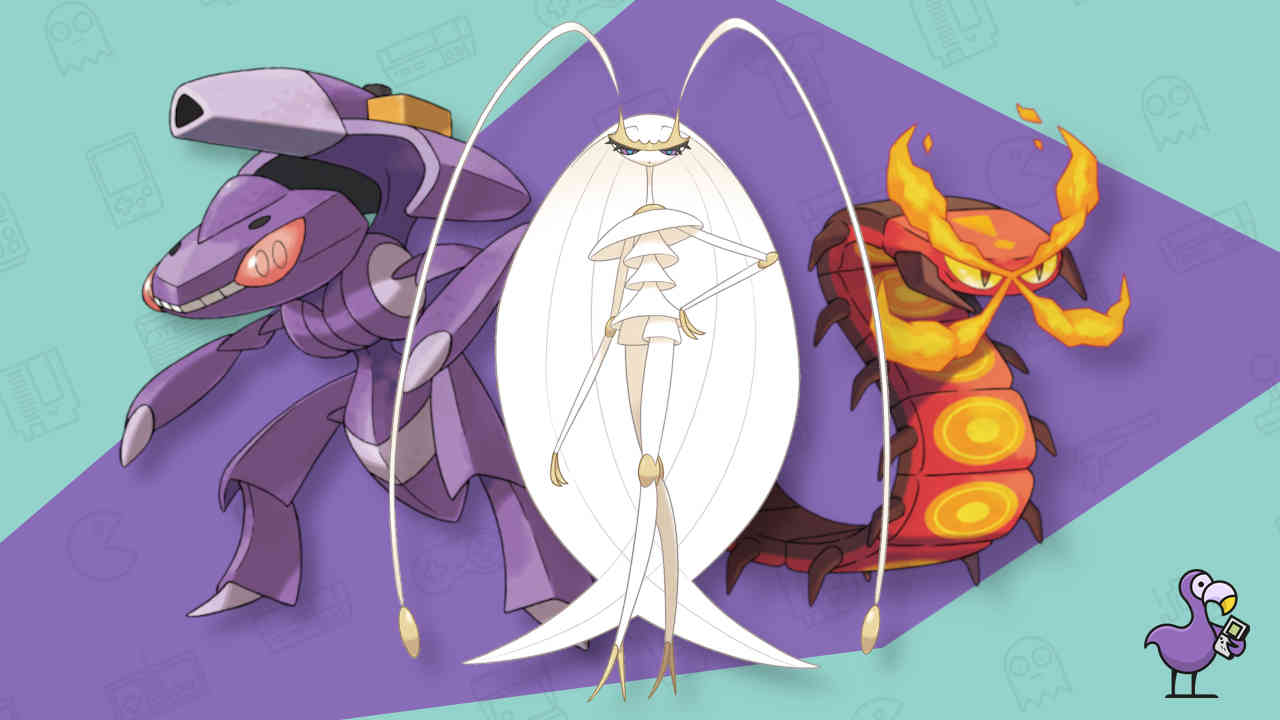
All Fully Evolved Bug Type Pokemon Gens 1 9 Tier List Community . All Bug Type Pokemon 2024 Tier List Community Rankings TierMaker All Bug Type Pokemon 2024 482147 3 1709332536 . Pokemon Go 8 Best Bug Type Pokemon Deltia S Gaming Pokemon Go 8 Best Bug Type Pokemon . Bug Pokemon Namen Large. Bug Pokemon Names Best Bug Pokemon


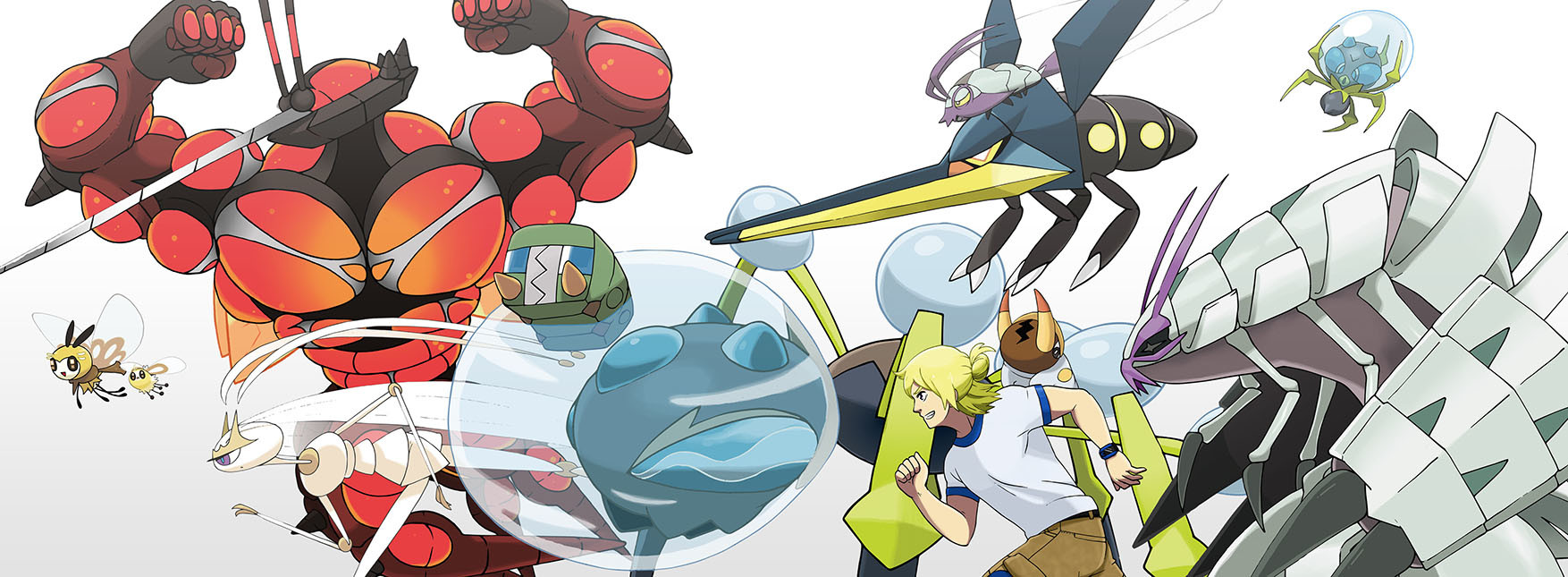
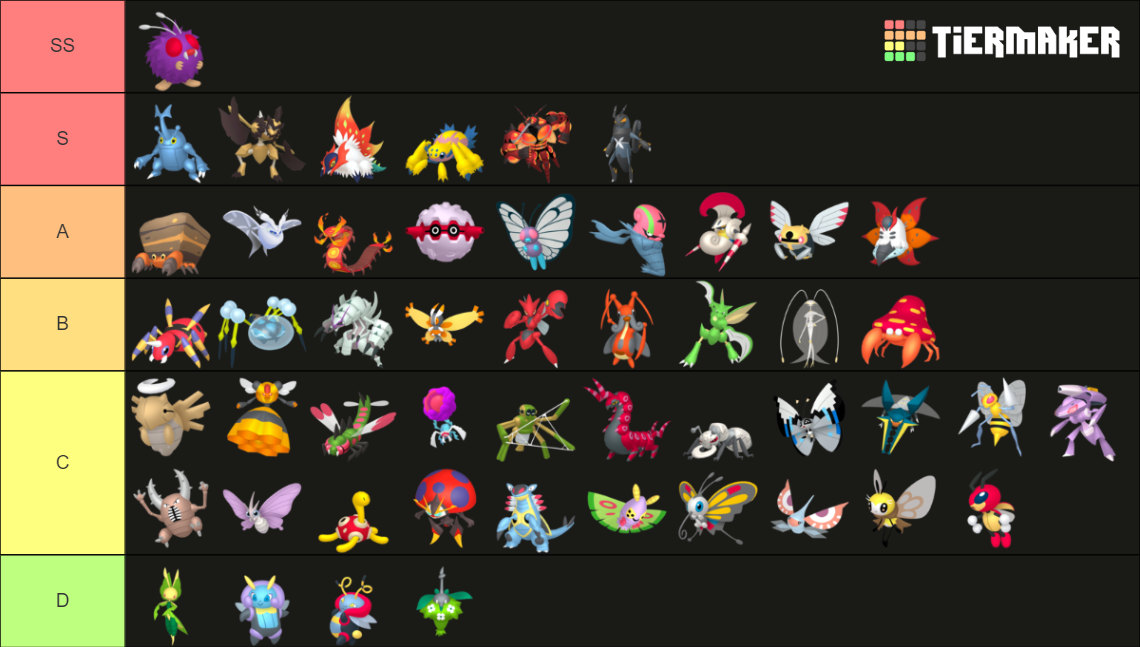

Bug Type Wiki Pok Mon Amino Pikachu Art Bug Type Type Pokemon . Bug Type Pok Mon Match Generation 1 Quiz By Jackfrog10 OQzPiHS . Bug Type Pok Mon Wallpapers Wallpaper Cave Wp12590039 . All Bug Type Pokemon 2023 Tier List Community Rankings TierMaker All Bug Type Pokemon 2023 15617863 1705501441 . Bug Type Pokemon Weakness And Strengths Guide Bug Pokemon Weakness 768x432